

2026-03-16
Are cutters an innovation at all or just a new term for the old problem of organizing workspace in production? Many colleagues, especially from the shop floor, chuckle skeptically when they hear this word. But over the past couple of years, I have become convinced that it’s not the name, but a fundamentally different approach to ergonomics and logistics on the site. This is not about fashionable stands, but about a real reduction in time spent searching for a tool and reducing operator fatigue. Roughly speaking, this is a system where each part or equipment has its own strictly defined, well-thought-out and easily accessible place. And yes, this affects the build cycle more than it seems.
When we first started introducing elements of the cutting system, the main misconception was that these were just beautiful perforated panels with hooks. I bought it, hung it up, and everything was in order. In fact, the key stage is the audit. I literally had to follow an experienced milling operator with a stopwatch and record: how many times he turns to the cart, how many steps he takes, whether he stretches or squats. It turned out that 70% of his movements are not processing the part, but searching for the right cutter or caliber. That's when the understanding came:cuttingsis primarily an analysis of the flow of operator actions.
We tried to take ready-made solutions from one German brand. The quality is, of course, impeccable, but there is a problem with flexibility. Their system involves strict standardization. And we often receive small-scale orders, and the equipment changes every week. The rigid configuration became a brake. I had to move away from the “boxed” one. solutions and combine: take their basic roof rails and fastenings, but design the arrangement for our specific cycle. This was the first important lesson: innovation is not in the product, but in the process of adapting it.
An interesting side effect was discovered in the instrumentation assembly area. There are a lot of small fasteners - screws, washers, studs. After the introduction of organizers with transparent cells and markings, not only did work speed up, but the problem of mixing hardware of different strength classes almost disappeared. This, by the way, reduced the percentage of defects due to the fault of assemblers by almost 2%. A small but very significant figure.
We had experience at one of the assembly sites, which can be safely classified as unsuccessful. We decided to make the “perfect” one. workplace from scratch. We ordered an expensive modular complex, where everything was provided: andcuttingsfor tools, and conveyor feeders for parts, and an integrated lighting system. They installed it and it looked like something from an exhibition. A month later, operators began to sabotage the innovation. It turned out that we, technologists and engineers, “optimized” process without taking into account the anthropometry of specific people. The tallest collector had to constantly bend down to the lower cells, and the left-handed one had to shift everything under his hand. The system was mathematically ideal, but physiologically unsuitable.
I had to dismantle and reconsider. The conclusion was harsh: you cannot design such a workplace remotely, only in direct dialogue with those who will work behind it. We conducted our own educational program, explaining to the operators why this was necessary not for the “plant”, but for them personally - less fatigue at the end of the shift, less chaotic movements. And involved them in the layout process. Although the final picture looked less glamorous, the efficiency of using the space increased significantly.
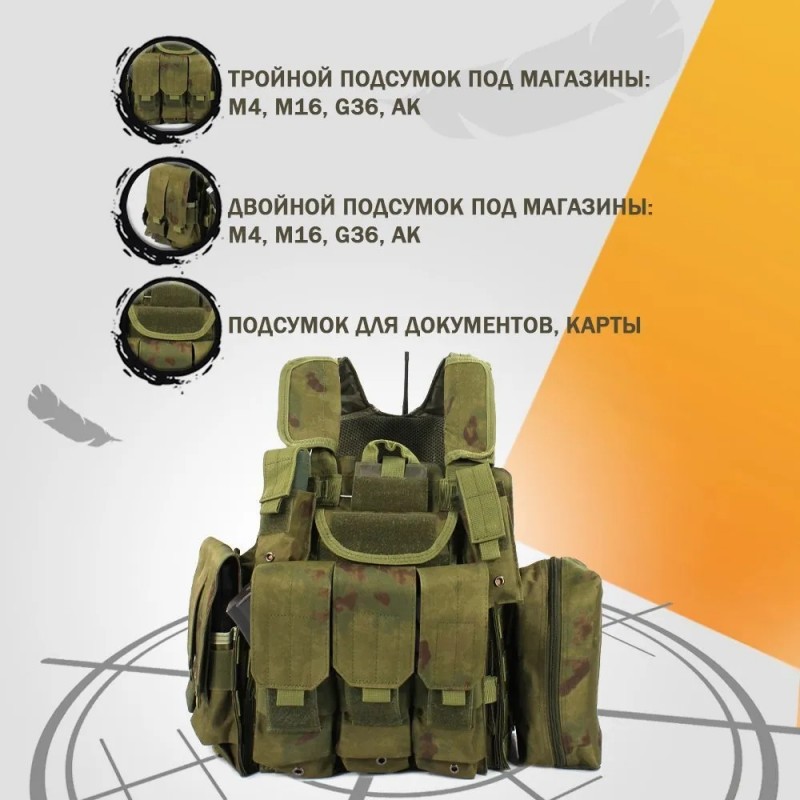
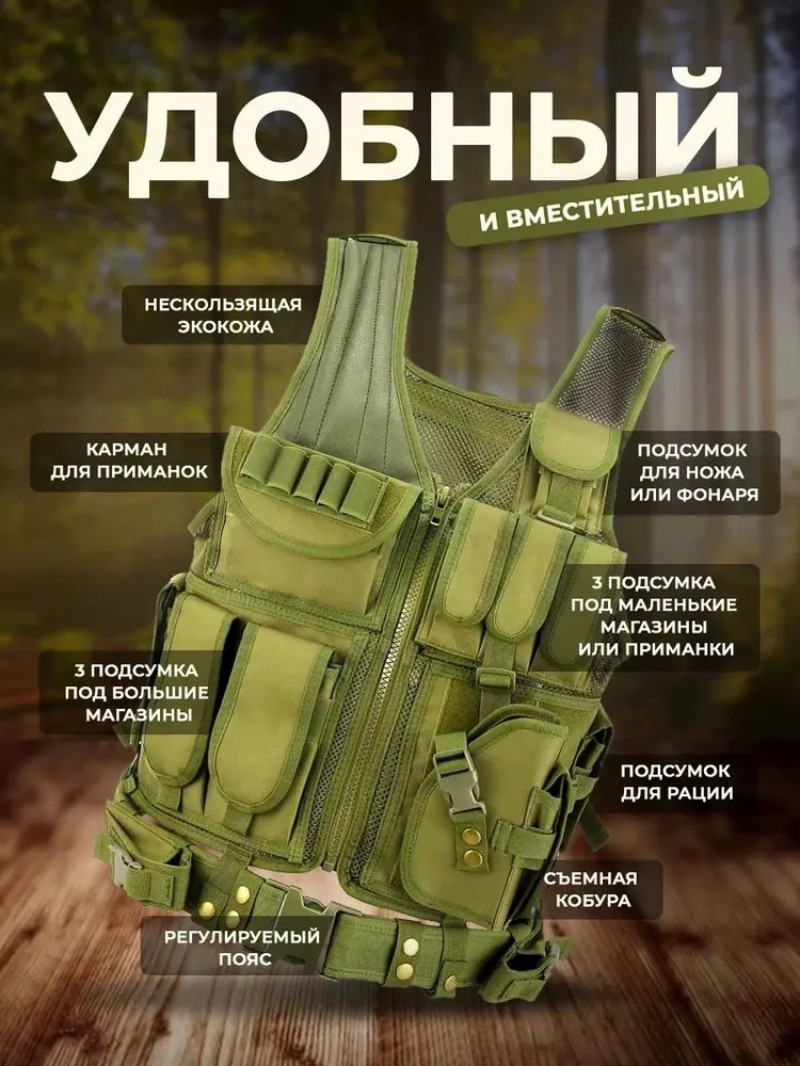
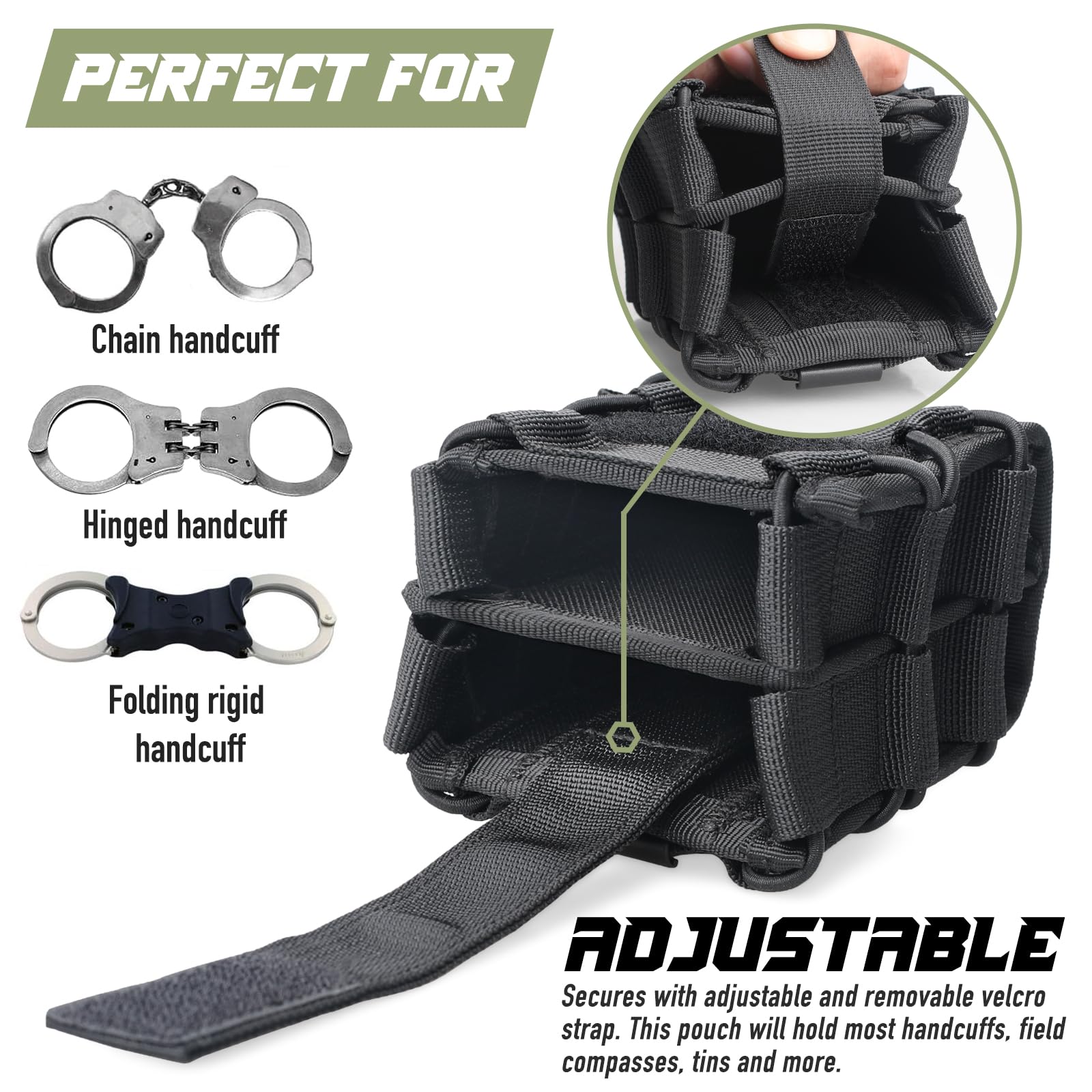
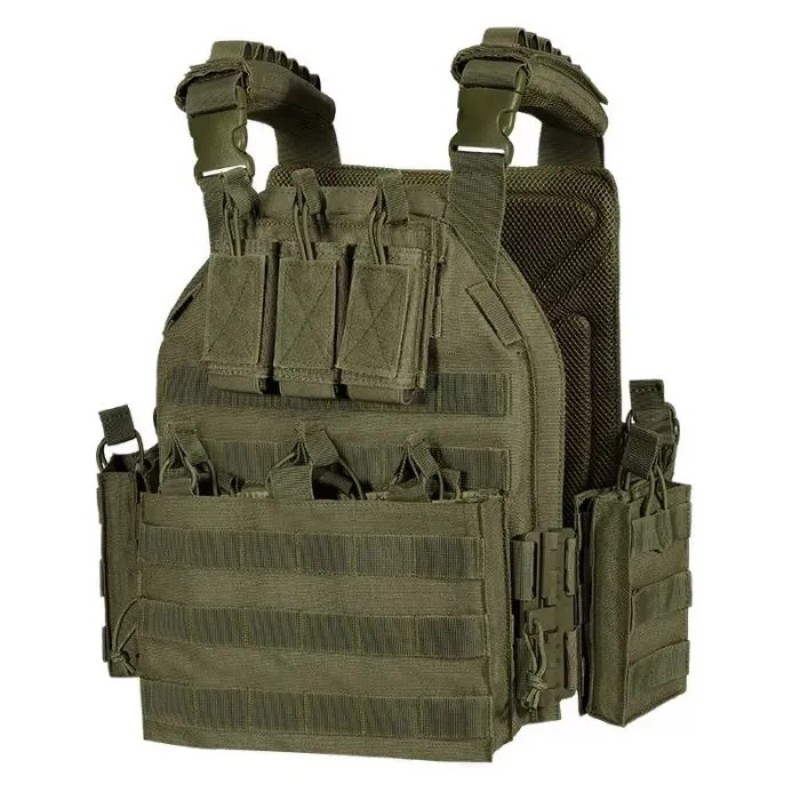
This case illustrated well the gap between ?innovation on paper? and “innovation on the shop floor?”. Often suppliers, even such reputable ones as those with whom we cooperate on related equipment issues (such asGuangzhou Ida Travel Products Co.,Ltd, which, by the way, demonstrate an excellent approach to modularity in their line of tactical backpacks and MOLLE systems), offer ideals divorced from real-life use. Their websiteyidaoutdoor.ru- this is gloss and order. In the workshop there is always the factor of people, dirt, urgent work and fatigue at the end of the shift. The system must be resilient, not ideal.
Many equatewith cuttingsand 5S. This is not entirely true. Rather, cutters are a physical, embodied implementation of some lean manufacturing principles. When every item has its place, it's not just about order. This is an instant visual diagnosis of the problem: the tool is not in place - which means it is either in use, or lost, or it is broken and taken away for repair. The absence of an element becomes a signal.
At our final assembly site for pumping units, we introduced color marking of keys and heads for different types of connections. Green - for hydraulics, blue - for oil seals, yellow - for frame fasteners. This is, in fact, a development of the idea of cutting. The operator does not need to remember or read the technical map - he takes the required key by color in the panel. The number of errors during assembly was reduced when, for example, instead of a 100 Nm torque wrench, a regular open-end wrench was used.
But there is also a downside. Such a system requires discipline and support. If the foreman or site manager does not require compliance with it, everything very quickly turns into chaos. We went through this: three months after implementation at one of the old sites, I discovered that there were wiping ends in the cells for calibrated drills, and expensive reamers were lying around in the desk drawer. We had to conduct debriefings and literally retrain people. Innovation rests on production culture.
When it comes to the costs of implementing workplace management systems, financiers always wince. Perforated panels, brackets, hooks, containers - all this is money. It is important to consider not the cost of equipment, but the cost of downtime. We made a rough estimate. CNC operator with a salary of 90 thousand rubles per month. If, due to chaos and searching, he loses 30 minutes per shift (and this is realistic, believe me), then in a year this is almost 200 hours or about 100 thousand rubles of direct losses on payroll for just one person. And the cost of arranging its place is based on the principlecuttings— 50-70 thousand one-time.
Another point is the tool. In chaotic storage conditions, it is easier to lose or break expensive equipment. We had a case where the injection mold for one small but critical part went missing. We searched for a week and stopped the line. We eventually found it under a stack of technical documentation in another workshop. Its cost is about 300 thousand rubles, and losses from downtime are the same. After this incident, a separate, clearly marked area for each mold became mandatory. This is also part of philosophy.
Therefore, when they tell me that this is an “expensive pleasure for show”, I give exactly these figures. Innovation in industry often looks like spending money on hardware and software, but in reality it starts with such simple, mundane things as organizing storage. This is the foundation without which all digitalization and the Internet of things hang in the air. It is impossible to effectively collect data from machine sensors if the operator spends half his shift looking for where the cutter went.
Nowadays there is a lot of talk about Industry 4.0, digital twins, and IoT. Where is the place for simplecuttings? In my opinion, this is where the most interesting merger occurs. The “smart” ones are already appearing. storage systems where the cell or hook is equipped with an RFID tag. I took the tool - the system recorded it and updated the status in MES. If you don’t return it to its place, a notification will be sent to the technician after the allotted time. This is the next logical step.
We experimented with this ourselves in the high-precision machining area. We combined a system for organized tool storage with software for managing the equipment fleet. Now you can not only see where everything is, but also keep track of the durability of the tool, its sharpening, and history of use. This made it possible to optimize schedules for replacing and ordering consumables, reducing safety stocks by approximately 15%. It would seem that they were just hooks and shelves, but they provided an entry point for digitalization.
But again, without a basic culture of order and discipline, all those RFID tags will be useless. They will be pulled away so as not to be “followed”, or the signals will be ignored. Therefore, returning to the beginning, the innovation of cutting devices is not in the technological filling, but in a change in approach. This is a tool that makes you think of the process not as a black box “raw materials in - product out”, but as a chain of specific, measurable, optimized human actions. And this, perhaps, is their main value for modern industry, no matter how high-tech. she didn't consider herself.