
2026-03-17
Nylon in backpacks: what is really important and what is just marketing? They say that the material decides everything, but in practice the key is often the details that are not written about in the specifications. Here I will look not only at current trends, but also at practical care based on experience rather than instructions.
When they talk aboutnylon travel backpacks, everyone immediately rushes to look at the denier indicator. Like, 1000D is impenetrable, 210D is for easy walking. But this is too simplistic. The density of the weave and the type of thread are more important. For example, nylon cordura has excellent abrasion resistance, but it is heavier and stiffer. What about ripstop? It is lighter, but if it breaks, it will go all over the panel. I've seen a backpack made from regular 600D nylon survive a multi-day rock trek, and an ultra-light model made from high-tech 30D ripstop get snagged on the first trip. It's not just about numbers, but about balance: what exactly is the backpack for? For urban tourism or for storming the pass?
There's a lot of buzz around recycled nylon these days. This is definitely a trend. But to the touch and in terms of wear resistance, it is sometimes inferior to the primary one. We tested several samples - after a year of active use, the recycled material on the back and straps looked more “tired”. Innovation is good, but not at the expense of the main function. By the way, the companyGuangzhou Ida Travel Products Co.,Ltdin its assortment onyidaoutdoor.ruoffers models that use a combination of materials: high-density nylon is used for critical areas, and lighter nylon is used for the sidewalls. This is a smart approach that is often overlooked in the pursuit of a single metric.
Another point is impregnation. DWR (Durable Water Repellent) is available almost everywhere, but it lasts for 5-10 washes. What then? Many people think that the backpack then becomes a blotter. No, the basic properties of nylon remain, but the water stops beading and begins to be absorbed into the top layer of the fabric. This is not critical for everyone, but for a mountain hike - yes. Some brands are switching to environmentally friendly impregnations without PFC, but their durability, according to my observations, is still lower.
Innovation often comes down to suspension systems. More and more new patented names: AirMesh, VariFlex, Response. Essentially, the task is the same - to remove sweat and weight from the back. The most common failure here is overcomplication. There are too many adjustments that you can’t adjust in the cold or with gloves. The ideal system I worked with was almost primitive: a rigid aluminum strip frame, dense 3D mesh and two main adjustment points for the waistband and straps. Nothing extra.
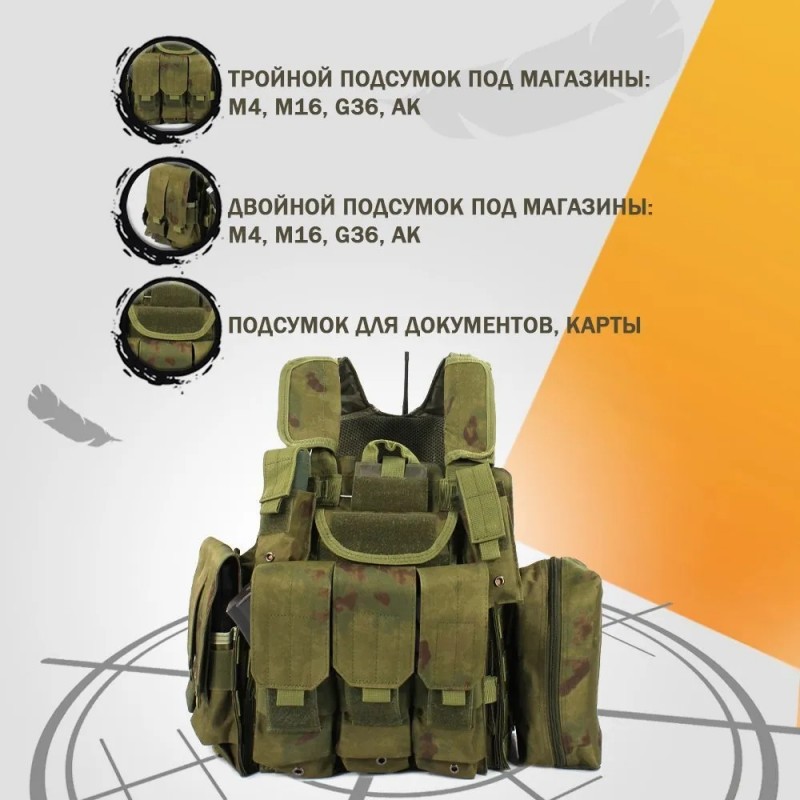
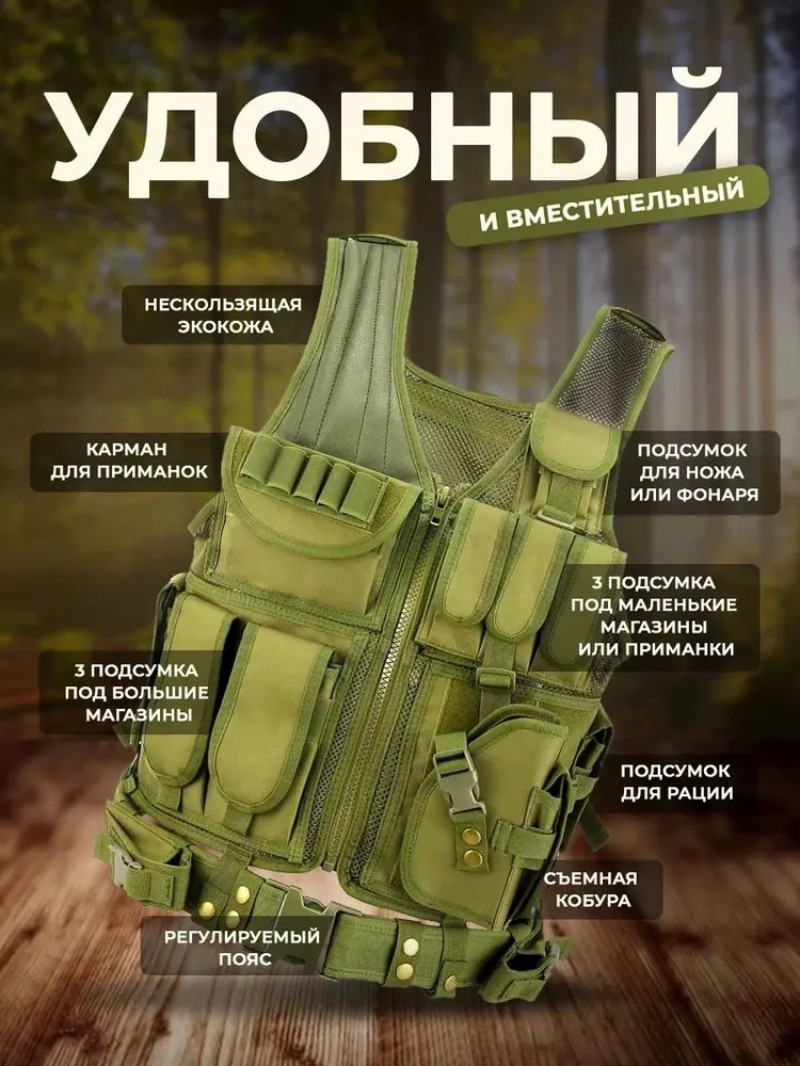
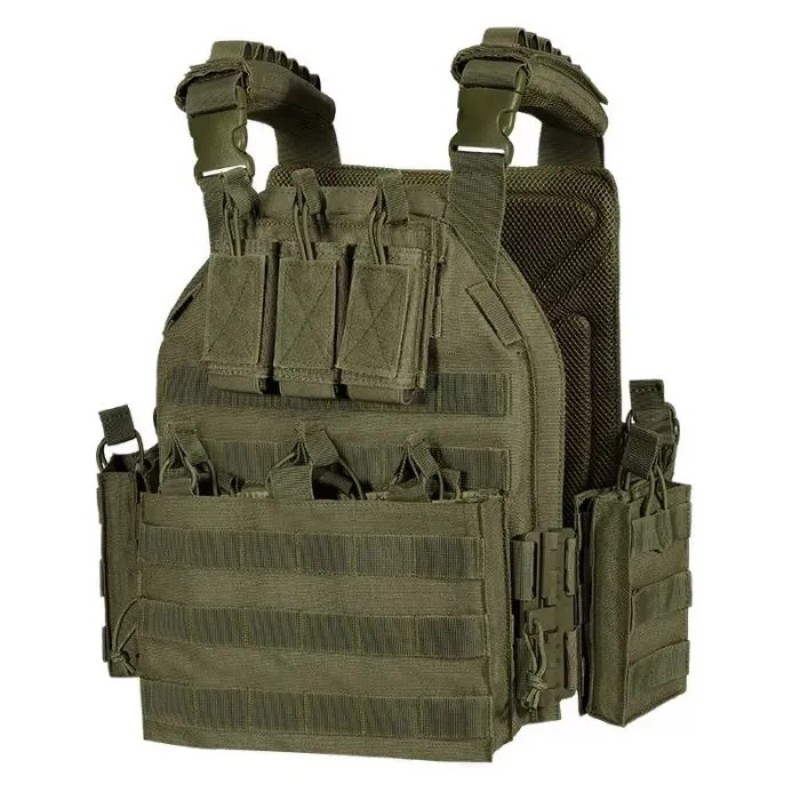
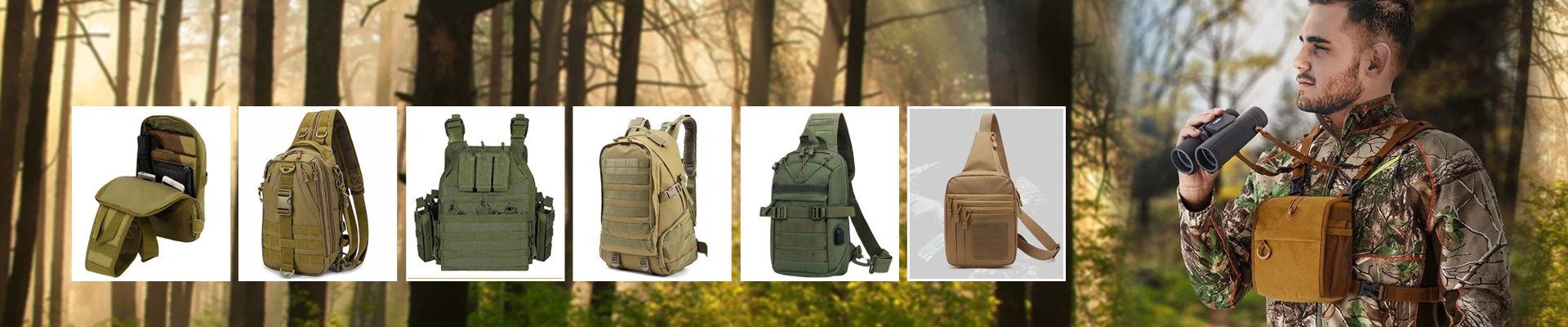
The MOLLE/PALS system is already a classic, but its implementation varies. Cheap backpacks have poorly stitched or even glued tapes. After six months of wearing with a suspended flask or bag, they come off. A good system is when the tape is not sewn separately, but integrated into the main panel, with stitching in several rows. This is exactly the area where tactical equipment supplied by companies likeGuangzhou Ida Travel Products Co.,Ltd, provides a good example of reliability for difficult conditions.
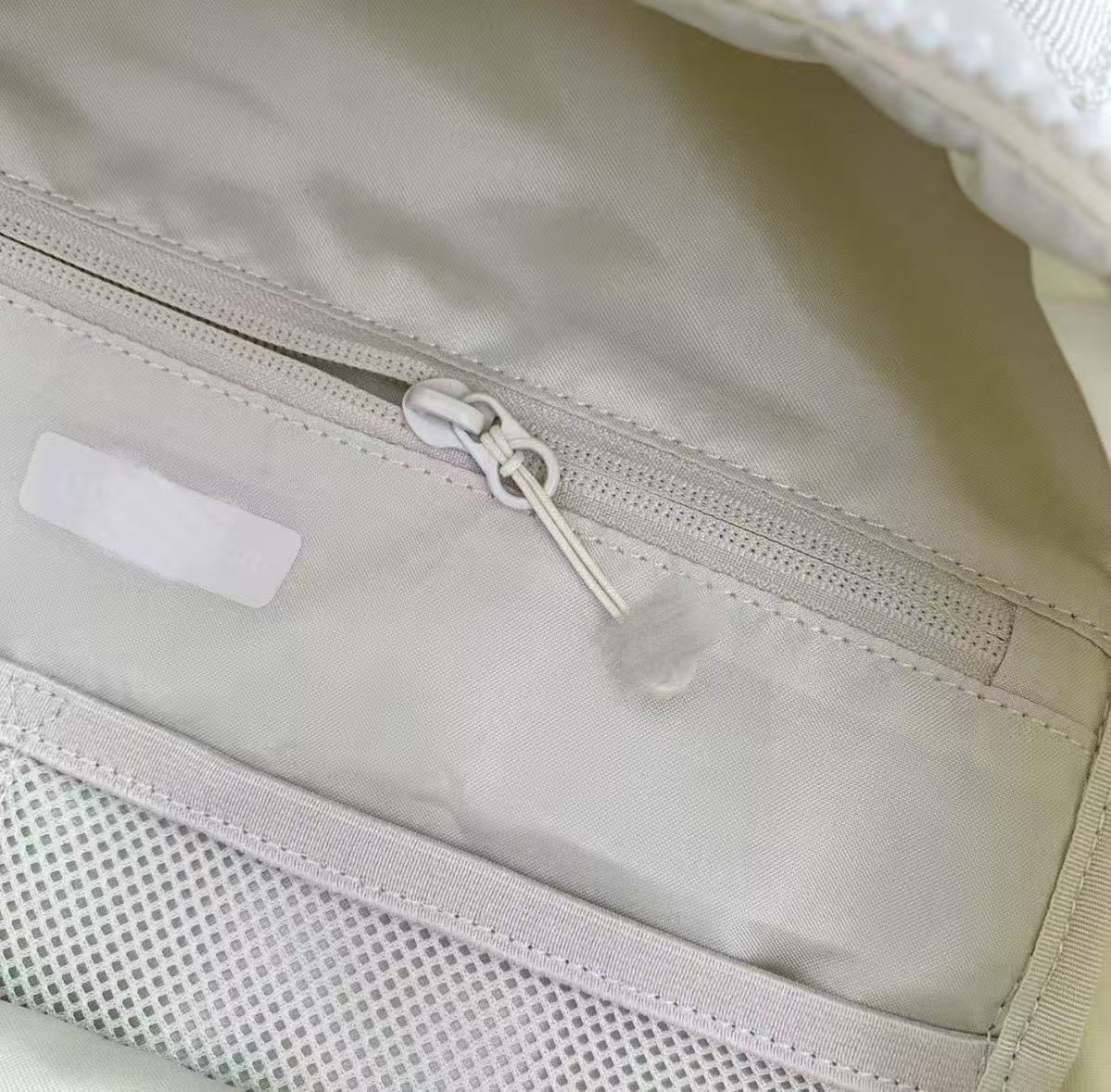
Lightning. It would seem like a small thing. But the innovation here is waterproof twisted zippers like AquaGuard. They really save you in a rainstorm. However, they have a disadvantage: they require more careful handling, they are easier to “tear off” if pulled with force at an angle. A regular YKK stranded zipper is more forgiving. The choice depends on the scenario.
The biggest myth is that nylon can be washed any way you want. No. Frequent machine washing, especially with spinning and aggressive powders, kills the impregnation and can damage the internal partitions and the foam in the back. Basic care is mechanical cleaning with a brush and a damp cloth. If you wash it, do it by hand, in warm water with technical equipment shampoo (for example, Nikwax Tech Wash). And never dry it on a radiator or in direct sun! This makes nylon brittle.
What to do with a back ventilation system clogged with dirt? It is almost impossible to thoroughly rinse it. The best prevention is to shake out the sand after each hike and let the backpack dry completely, flattened. I have seen how mold began to bloom under the mesh due to constant humidity, and this can no longer be corrected.
Repair. Don't be afraid to glue and darn. For small cuts, an adhesive-backed nylon repair patch (like Gear Aid Tenacious Tape) is ideal. If a strap or belt is torn, it is better to take it to a workshop where it will be sewn on an industrial machine. Self-repair with a thick needle often only increases the damage.
I had experience with a backpack made of ultra-light Kevlar reinforced nylon. The material is fantastically tensile, but... absolutely inelastic. When fully loaded, it did not “hugg” back, the load was dangling, and the load was distributed terribly. Innovative material, but poor ergonomics. I had to refuse.
But a positive example is a backpack with a main fabric of 500D ripstop nylon and a reinforced bottom of 1000D ballistic nylon. Used for three seasons for hikes of moderate difficulty. On the bottom, of course, there were abrasions, but not a single tear. The key was that the seams in critical places were stitched with a contrasting thread and additionally taped with thermal tape. This is an invisible but most important detail.
Another point is fastex and plastic fittings. Innovation? More like degradation. Old Duraflex or ITW Nexus fittings lasted for decades. Now they often install cheaper analogues, which break in severe frost or from an impact. Always make sure that buckles and fastex have the logo of a reputable manufacturer. This is an indicator of the attitude towards detail in general.
Forget about choosing only by photo in the catalog. If possible, go to the store. Fill the backpack, adjust it, and wear it for about five minutes. Do you feel pressure on your collarbones? Is the belt moving? Does the mesh touch your back or is there a gap between it and your back that reduces ventilation?
Inspect the seams. They should be smooth, without protruding threads. Especially in the places where the straps and waist are attached - there should be not just stitching, but often reinforcement in the form of barrel-shaped or rectangular overlays. This is a sign of quality construction.
Smell the backpack. A sharp chemical smell may indicate low-quality dyes or impregnations that will take a long time to fade. High-quality nylon does not have a strong odor.
And lastly: don’t chase absolute novelty. Often, solutions in design and materials that have been proven over the years work more reliably than the most advertised innovations. Tasknylon travel backpack— to be your invisible assistant, and not a high-tech prototype that requires constant attention and care.