
2026-03-17
Nylon walking bag - it would seem, what could be simpler? But behind this simplicity lies a whole tangle of questions: from choosing a specific brandnylonand thread weaving technologies to the ecological footprint that each such product leaves in its life cycle. Many people talk about environmental friendliness, but rarely does anyone dig deeper than the “recyclable material” label. Let's understand it without gloss.
When it comes tonylon walking bag, the first thing you encounter in practice is confusion in raw materials. Nylon-6, nylon-6,6, ripstop, ballistic nylon... To the end user it is often just a "durable fabric". But in production the difference is colossal. Let's say, for a series of tactical backpacks that we once developed for outdoor activities, the choice fell on nylon-6,6 ripstop with a density of 500D. Why? Experience has shown that it holds up better to abrasion on rocky areas compared to some analogues. But then the question of cost and availability of raw materials arose.
But with ballistic nylon for “bulletproof?” models (relatively, of course) were history. It sounds nice, but in a hiking bag that is not designed for extreme conditions, its use is often redundant and only adds weight to the product and its environmental footprint at the production stage. It's a common design mistake to play it safe at the expense of resources. I saw many samples from different suppliers, where there was clearly unnecessary complexity.
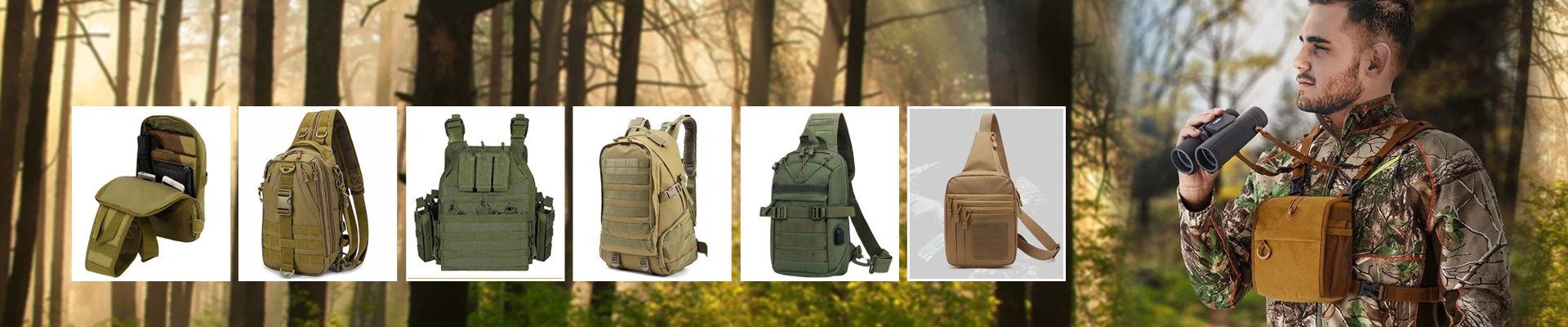
By the way, about suppliers. When you work with companies that, like Guangzhou Ida Travel Products LLC (yidaoutdoor.ru), combine design and production, it is easier to have a dialogue about the material. Their profile is tactical outdoor gear, which means they face the need to balance strength, weight and, as is now increasingly required, environmental friendliness. In their assortment, from tactical backpacks to functional bags, this balance can be seen - but this is a topic for another discussion.
The durability of a bag is not just about the fabric. These are, first of all, seams. The technology of their processing is a point that is often overlooked when assessing environmental friendliness. A bag that comes apart at the seams after a season is a direct route to landfill, no matter how “green” it is. neither was her material. Design and tailoring are important here.
For example, the use of reinforced stitching (for example, zigzag at critical points) or seamless gluing technology for straps (where appropriate) significantly extends the life of the product. We tried different methods on prototypeswalking bags. I will say this: sometimes a classic tile seam with taped tape inside turned out to be more reliable than fashionable ultrasonic welding, which did not always behave well under constant deformation. This decision came from field testing and not from a hardware catalog.
Fittings are another stumbling block. Plastic vs metal? Metal seems more durable, but it is heavier and its production is more energy intensive. And high-quality plastic (such as polyamide with reinforcement) can last for decades. The choice should be made consciously for the specific purpose of the bag. Blind installation of the ?coolest? accessories are a waste.
Everyone is obsessed with recycled nylon these days. And that's good. But ecological footprint is a broad concept. Yes, a bag made from RePET or Econyl is a step forward. However, you need to look at the entire cycle. The energy intensity of producing recycled nylon itself is still high. And the main question: what at the end of life?
Ideally,nylon bagmust be suitable for repair and upcycling. I have seen successful projects where the manufacturer, for example, offered a service for replacing the bottom or straps. Or I used a minimum of types of materials in one model to simplify subsequent disassembly for recycling. These are real, not declarative steps.
We had a bad experience with biodegradable additives in nylon a few years ago. The idea was for the material to begin to decompose in a landfill. In practice, this led to a decrease in the strength of the product even during the period of active use under unpredictable storage conditions. Conclusion: such innovations require a very balanced approach and honest information to the client. It is better to rely on durability and a well-thought-out system for collecting old products, as some equipment manufacturers are beginning to do.
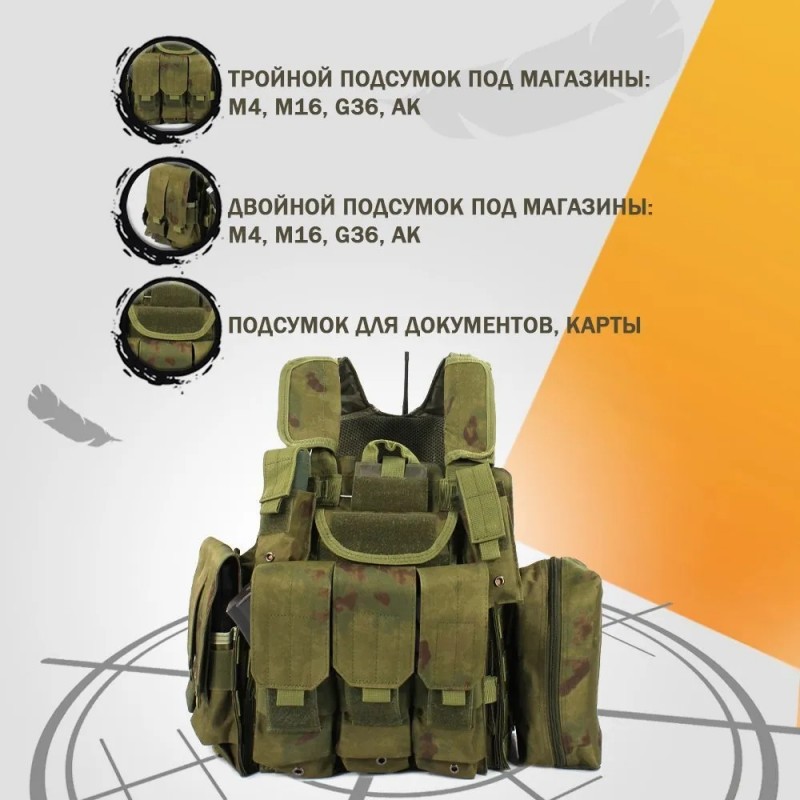
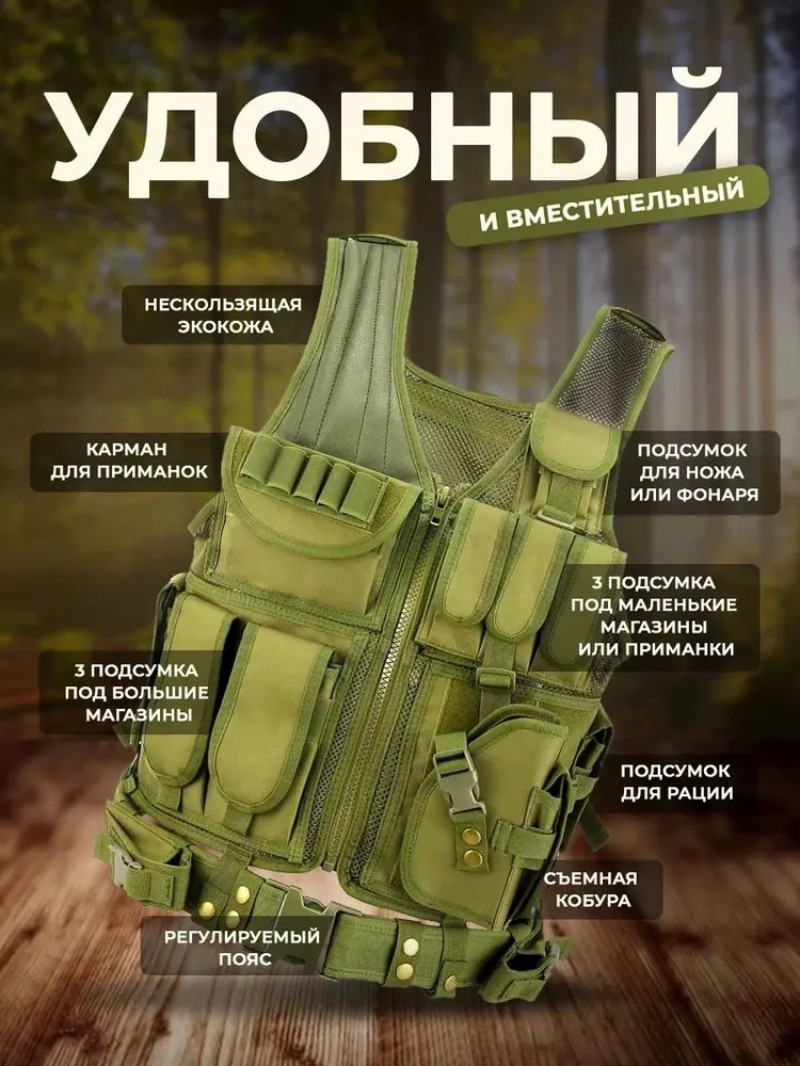
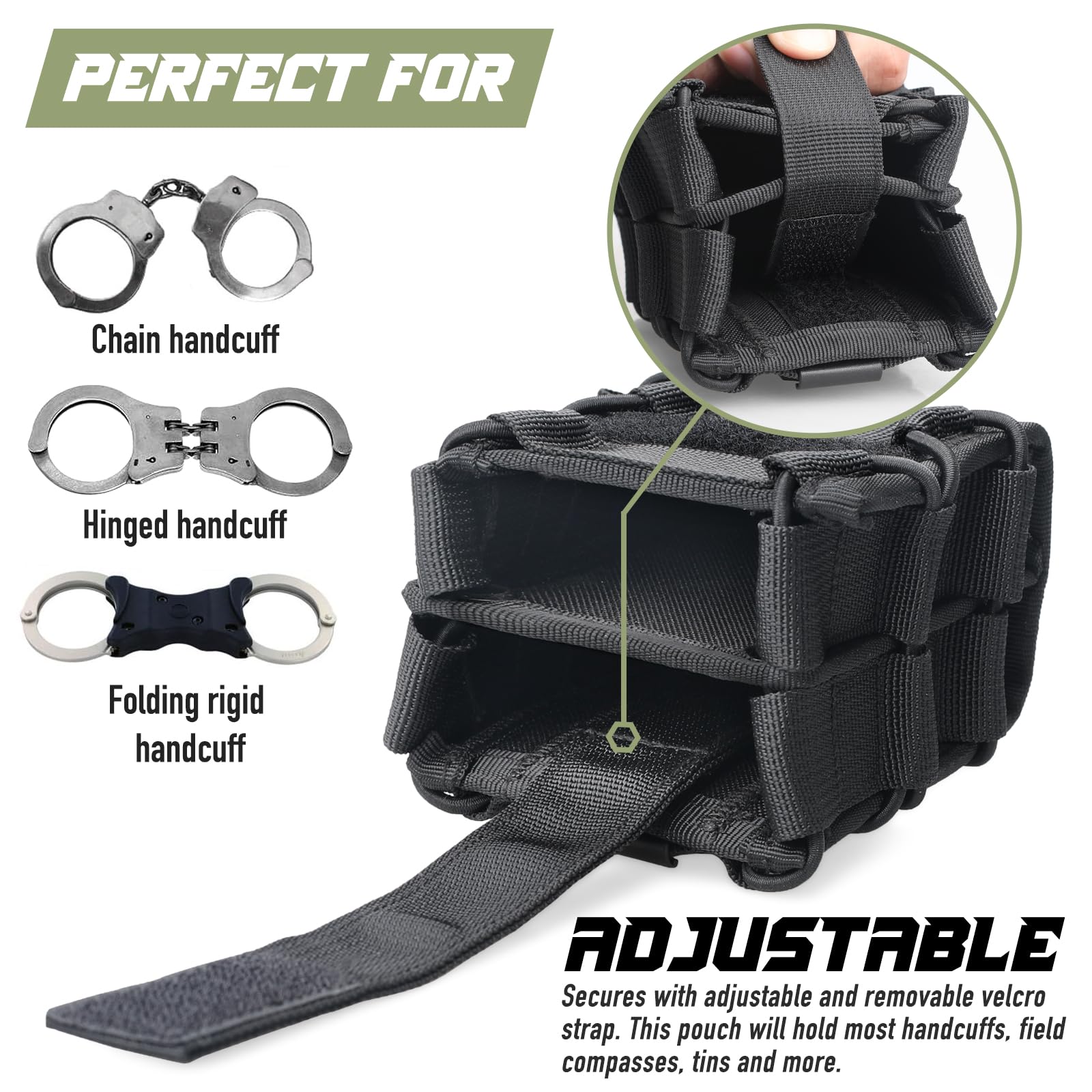
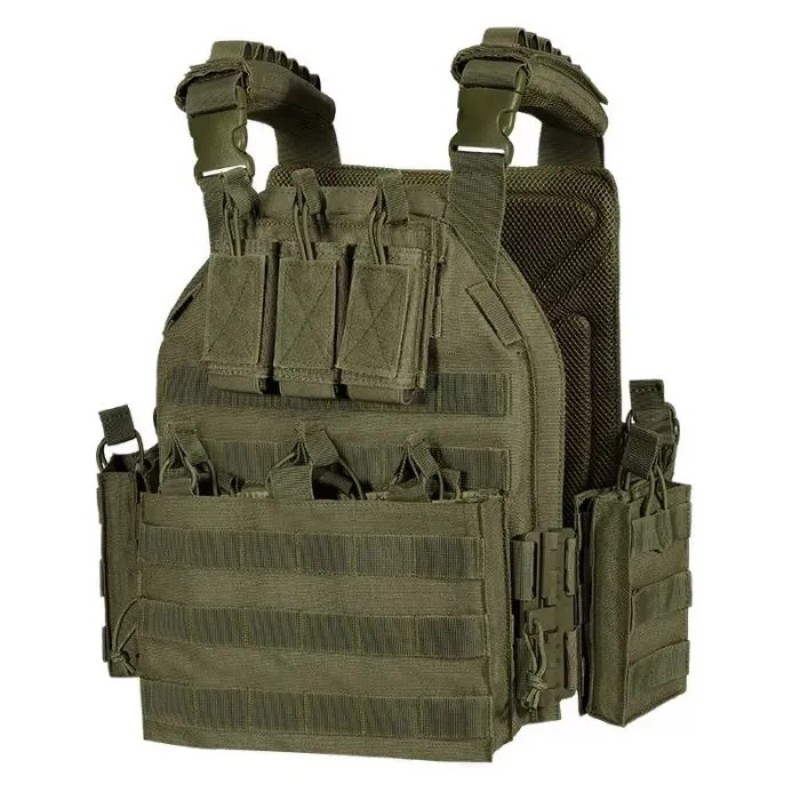
Let's take the segment as an exampletactical MOLLE bags. Their concept initially implies modularity and long service life. A good manufacturer makes them from UV-resistant nylon, with duplicate attachment points. Is it eco-friendly? In terms of resource efficiency, yes, because one main bag can be supplemented for decades, rather than buying a new one. But often there are cheap analogues on the market, where the nylon fades over the course of a season, and the MOLLE loops come off. Such a product is an environmental crime.
Orfunctional bagsfor water. The key point here is the internal coating, which provides waterproofing. The use of environmentally friendly PU coatings instead of PVC is already a standard for responsible brands. The company Guangzhou Ida Travel Products LLC in its assortment, judging by the descriptions, focuses on functionality and quality of materials, which indirectly works to increase the life cycle of the product. After all, their main activity is the supply of tactical equipment, where reliability is not an empty phrase.
A failed case from memory: an attempt to make an ultra-light walking bag from the thinnest nylon. Yes, the weight was a record. But in real conditions (bushes, transportation in luggage) it quickly became unusable. Eco-friendly in terms of material consumption for production, but absolutely irrational due to its extremely short service life. We had to reconsider the approach towards reasonable, rather than minimal, fabric density.
The trend is integration. Not just a bag, but a system. And here nylon, as a material, provides enormous opportunities for combining fabrics of different densities, for sewing in attachment points for different equipment. The sustainability of the future means designing a product from scratch? with thoughts about his second and third lives. For example, so that from a discarded large travel bag you can easily cut out and make several small ones.
Services will begin to play a larger role. The time is not far off when a manufacturer, especially one as integrated as yidaoutdoor.ru, will not just selltactical backpacks, but also keep records of their products, offering services for their restoration or purchase for recycling. This makes sense for their business model, which combines development and sales.
As for nylon itself, the future, in my opinion, lies in hybrid materials. For example, combining recycled nylon with natural fibers for certain parts of the product where it improves performance properties (for example, backrest breathability). But this is again a question of manufacturability and cost. For now, the most environmentally friendly way is to make the most high-quality, repairable thing from proven material, clearly understanding for what purpose it was created. And nylon here, for all its contradictions, remains one of the main players in the field of hiking and tactical bags.