
2026-03-15
Travel backpacks: technology and ecology? A question that in reality often comes down to marketing and green camouflage. Many people talk about recycled materials, but they forget about durability, firmware and the actual weight of the structure - this is where the real environmental choice lies.
Now every second company boasts of using recycled polyester. Yes, this is a step forward, but often there is a compromise hidden behind it. I remember testing one of the early samples fromGuangzhou Ida Travel Products Co.,Ltd— the fabric was made from recycled bottles, which sounded cool. But in practice, it wore out faster on the straps under load, especially in contact with carabiners and an ice ax. Ecology? Yes. But if the backpack lives not for three seasons, but for one, then what kind of ecology is there? It turns out that we save raw materials in production, but increase the waste flow. On their websiteyidaoutdoor.ruNow I already see more balanced proposals - apparently, they took that experience into account.
And here the classic choice arises: high molecular weight Cordura nylon or something “green?”. Cordura is incredibly durable and hard to kill, but it is not the cleanest produced. What about the alternatives? Some European brands are experimenting with bio-nylon, but the price per meter of fabric soars that the finished product becomes niche. For the mass market in which it operatesGuangzhou Ida, a tactical gear supplier, this balance between price, durability and environmental friendliness is a major headache for engineers.
Another point is impregnation. DWR water-repellent coatings are often per- and polyfluoroalkyl substances (PFAS), those same “forever chemicals”. They are really effective, but their environmental footprint is terrible. The transition to fluorine-free DWRs is a trend, but their resistance, especially to abrasion in the MOLLE system, is still in question. We tried such fabrics in one of our projects - after a season of active hiking, the water simply began to be absorbed. The client returned the shipment. The experience is painful, but revealing.
This is perhaps my main thesis. You can make a backpack from the cleanest material in the world, but if it comes apart at the seams after the first serious hike, all environmental friendliness goes to waste. Therefore, sewing technology and design solutions are also environmentally friendly. Reinforced stitching, triple seams at critical points, correct bottom geometry - all this prolongs the life of the product.
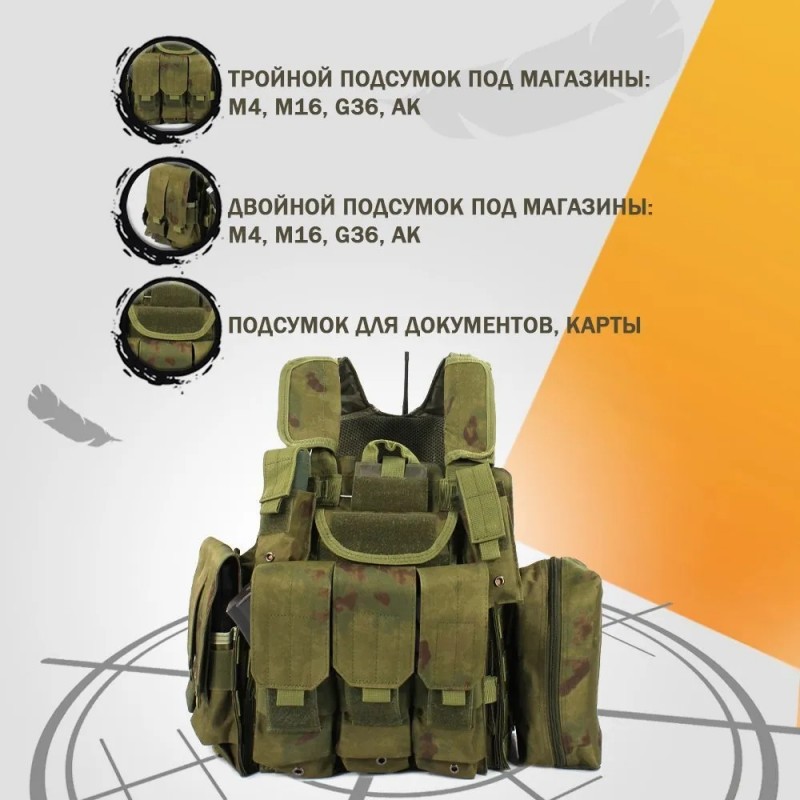
In the tactical segment, which combines design and production, likeIda Travel Products, this approach is in the blood. There, the backpack must survive in extreme conditions. And this principle is “make it last forever?” - the most environmentally friendly possible. I have seen samples of them with the MOLLE system: the loops do not come off because there is an additional padding underneath them made of the same durable fabric. Trifle? No. It’s little things like this that prevent a backpack from going to the landfill in a year.
But there is a trap here too. Heavy-duty construction often means more weight. And more weight for a tourist means more energy consumption, perhaps more fuel for climbing uphill, if we are talking about transportation. It turns out that the environmental calculation must be comprehensive: not only the durability of the product, but also the energy consumption of the user. There is no ideal answer, there is only a search for the optimal point.
Modern suspension systems are a double-edged sword. On the one hand, anatomical backrests, ventilated panels, adjustable straps with foam of different densities - this means comfort and back health. On the other hand, these are dozens of different materials, layers, plastic elements (tensioners, buckles), which are almost impossible to recycle at the end of the life cycle.
Take, for example, the system of transferring weight to the hips. Plastic frame or aluminum sheet? Aluminum can be melted down. Plastic - with difficulty and only certain brands. Companies likeGuangzhou Ida Co.,Ltd, who deal with the full cycle from design to sales, have an advantage here - they can lay down the principles of maintainability and separation of materials at the drawing stage. But do they? Not always. Often the decision is dictated by price and production speed.
Personal experience: we once dismantled an old, completely destroyed expedition backpack to understand what could have been done differently. It turned out that the main fabric could still be saved, but the suspension system was glued and ultrasonically welded tightly. It was impossible to separate the components for disposal. Everything went into one container. Now, when looking at any new product, I first of all look at how the back is disassembled.
Previously, a good backpack was like a rifle - it could be disassembled, repaired, or a part replaced. Now many models, especially in the budget segment, are designed as disposable ones. But the ability to install a patch, replace a zipper or a torn strap is the foundation of ecology. Some small brands are returning to this, but the mass market is silent.
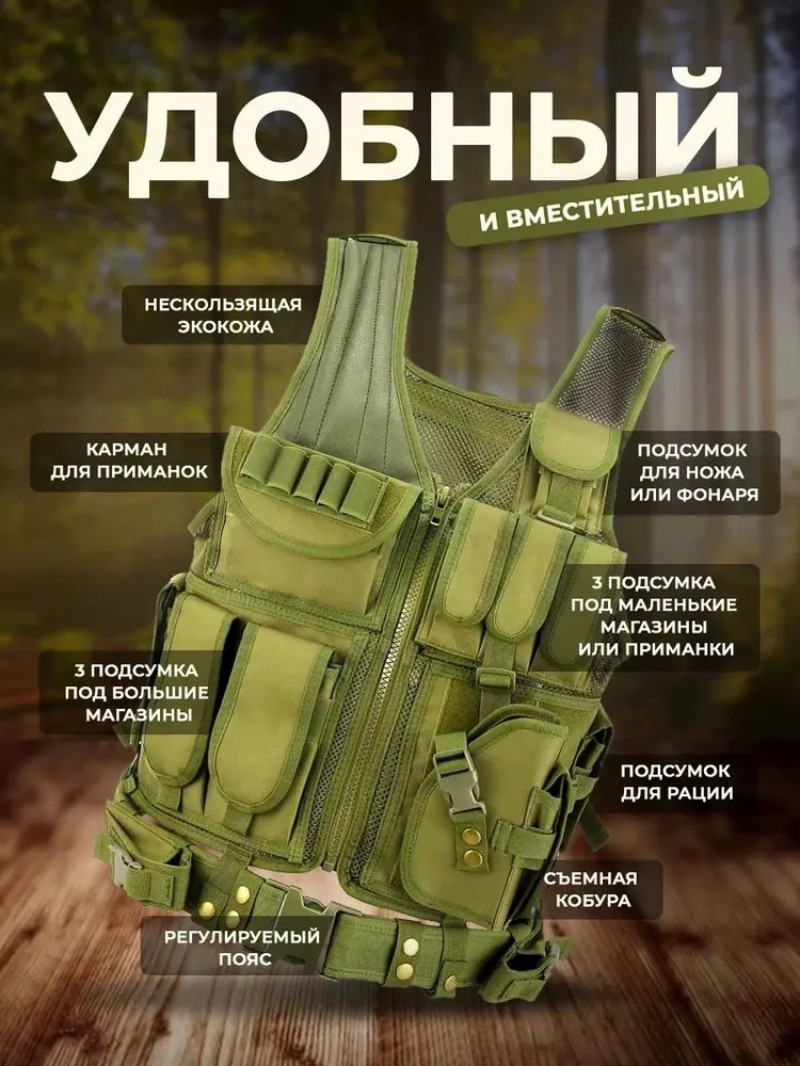
Interesting case - tactical bags andtactical backpacks. Their modular MOLLE system inherently allows for customization and repair. Has the pocket come off? You don’t need to throw it away with the entire backpack; you can unfasten it and sew on a new sling or replace it with a similar one. This principle, by the way, is clearly visible in the assortment onyidaoutdoor.ru— many elements of the system are interchangeable. This is applied ecology through design.
Upcycling—remaking old into new—is currently more the domain of enthusiasts. But I know of cases where old backpacks that had served their purpose in tourism received a second life as tool bags or cases. The problem is that this requires special services, which are almost non-existent. It would be logical for manufacturers, including large suppliers, to create them - this is both customer loyalty and a real green image.
Often, when discussing the ecology of a backpack, everyone thinks only about the product itself. But how did he get to you? If it is made in Asia, like a productGuangzhou Ida Travel Supplies, and sold in Europe, its carbon footprint from transportation is huge. Optimization of logistics, prefabricated containers, sea transportation instead of air transportation - this is also part of the company’s responsibility.
Packaging is a different story. Increasingly, it comes in cardboard boxes without plastic inserts. This is right. But here's what's important: instructions. A thin piece of paper that everyone throws away. It can be replaced with a QR code on the tag, leading to a website with a video on setting up the suspension. A small step, but for a circulation of tens of thousands of pieces, it saves tons of paper.
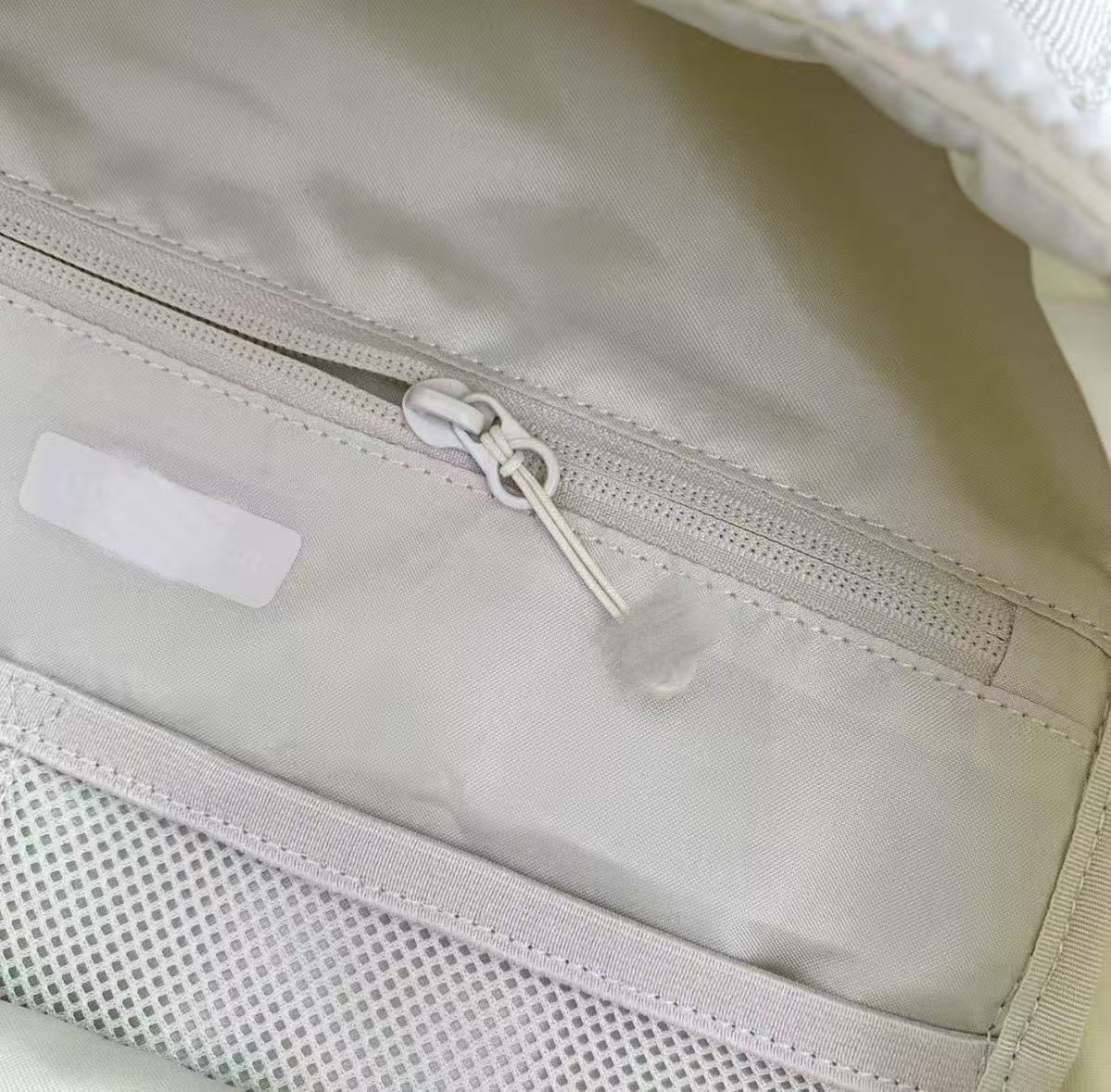
And more about tags. Tags themselves are waste. I saw a solution from one brand: all the information about the fabric, care, and warranty is printed directly on the inside of the backpack flap. There are no unnecessary elements. Brilliant and simple. Why doesn't everyone do this? Habit, additional costs for restructuring patterns. Inertia is the main enemy of progress.
So, travel backpacks, technology and ecology. It's not about choosing one magical material. This is about systematic thinking at all stages: from choosing a thread for a seam (it also comes from recycled plastic) to organizing a service center in another country. This is about durability as the main principle. About maintainability, which needs to be built into the design, and not screwed on later for show.
Companies that deal with the full cycle, likeGuangzhou Ida Travel Products Co.,Ltd, are in a unique position. They can influence the entire process. They are clearly moving towards more sustainable materials, but I think the next step is thoughtful recycling and take-back programs for old gear. After all, their profile - tactical equipment for outdoor activities - implies customers who value reliability and rationality. These same people are increasingly asking about the environment.
What can I say as a person who has seen and tested a lot? The most environmentally friendly backpack so far is the one that is made of the highest quality, which you buy consciously, for your tasks, and which you are ready to repair, and not throw away at the first problem. Technologies should work for this paradigm, and not create the illusion of “greenness”. through one recycled part. Everything else is, unfortunately, often marketing. But the vector has been set, and this is encouraging.