
2026-03-15
When you hear a nylon backpack, the first thing that comes to mind is a cheap student backpack from the 90s. But therein lies the main myth: today's tactical nylon is a complex composite material, and its attack on the market is not marketing, but a real technological shift in the equipment industry. I have seen how misunderstanding this leads to design and procurement failures.
Many people still believe that the key parameter is density, say 1000D. But this is just the tip of the iceberg. The real breakthrough in recent years has been in fiber structure and impregnations. Take Cordura, for example. Classic, yes. But now we see companies likeGuangzhou Ida Travel Products Co.,Ltdthey work with modified versions - the same nylon 6.6, but with the addition of polymer coatings that radically change the behavior of the material. It's not just durable; it behaves differently in terms of tearing, abrasion and, critically, getting wet. On their websiteyidaoutdoor.ruYou can see how the emphasis is shifting from ultra-strength to complex characteristics: resistance to UV radiation, hydrophobicity, maintaining flexibility at low temperatures.
Practical example: we tested a batch of backpacks for multi-day hikes in high humidity conditions. Ordinary dense nylon, which does not have special seam treatment or impregnation, gained up to 15% excess weight from water in two days. And the option with a combined material - the same nylon, but with silicone impregnation throughout the entire structure and heat-welded seams - showed an increase of no more than 3-4%. The difference in user fatigue is enormous. This invisible work with the material is the real attack - quiet, but redefining standards.
However, we cannot say that everything is perfect. There is also a downside: some innovative impregnations, especially cheap polyurethane (PU), begin to peel off as a film over time, especially with frequent temperature changes. I saw this on lots purchased for commercial groups in 2022-23. The material seemed to pass laboratory tests, but in field conditions after a season of operation it lost its properties. This is an important point: a technological breakthrough must be tested not in a vacuum, but in real load cycles.
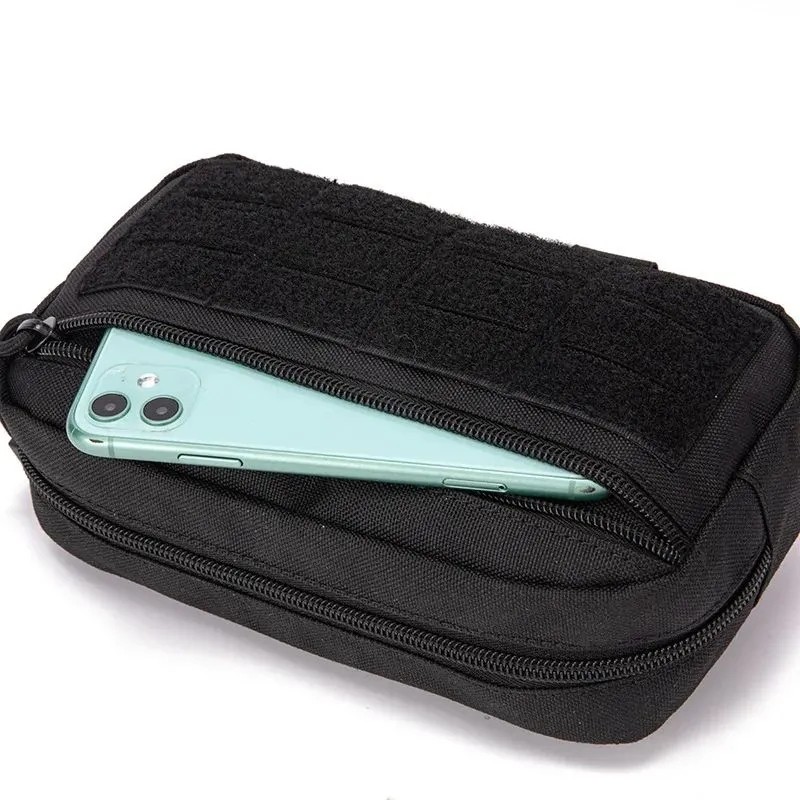
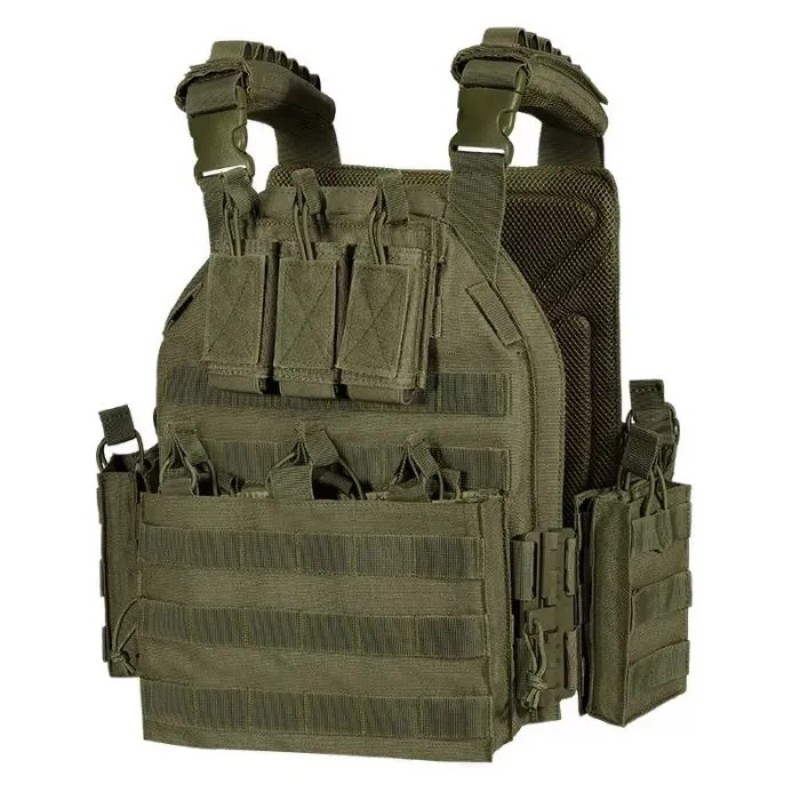
The material itself is dead tissue. It is brought to life by the cut and construction. Here the nylon backpack ceases to be just a bag and becomes a platform. We are talking about the MOLLE/PALS system. It is often thought of as a series of hanging loops. In fact, it is an engineering system for distributing the load and ensuring modularity.
A key challenge many manufacturers face is balancing rigidity and ergonomics. An overly stiff MOLLE panel sewn onto a nylon backing creates stress points. When the pockets are fully loaded, the seams begin to play and eventually tear.Guangzhou IDA Travel Products Co.,Ltd, judging by their range of tactical MOLLE bags and backpacks, solves this through a combination of materials: strengthening the fastening area of straps and panels with ripstop with other density parameters or even soft thermoplastic inserts. This is not noticeable, but is felt in operation.
From personal experience: one of the most difficult tasks is designing the mounting of a hydration system (drinking system). It would seem like just a pocket inside. But if you make it from the same nylon as the main fabric, it will not hold its shape well and the hose will tangle. The solution I've seen in successful models is a combination of elastic mesh at the top of the pocket for easy entry/exit of the container and a rigid but flexible material at the base. Often neoprene or polyethylene foam welded to nylon is used for this. It's details like these that differentiate a thoughtfully made product from a stamped one.
Lab reports on tensile strength are one thing. Real-life exploitation, especially in tactical or extreme tourism, is something else entirely. The main enemy of nylon in field conditions is not sudden load, but chronic abrasive action. For example, constant friction against a rocky surface, branches, sides of vehicles.
I had a case with a batch of backpacks that were positioned as heavy-duty (1680D material). In the laboratory they showed excellent results. But in rocky desert conditions, where backpacks were often placed on the ground and dragged during short treks, the main wear appeared not on the main fabric, but on the places where the plastic fittings (buckles, sliders) came into contact with the fabric. Over the course of a couple of months, the sharp edges of the plastic rubbed holes at these points. Conclusion: a technological breakthrough must be systemic. It's not enough to choose super durable nylon. It is necessary to model all points of contact and strengthen them, sometimes by duplicating layers of fabric or using special protective pads made of a more resistant material.
Another point is color fastness. Black or camouflage nylon that fades seasonally to dirty gray or faded green isn't just an aesthetic issue. This is an indicator of the degradation of polymer chains in the material, which directly affects strength. Good manufacturers now pay great attention to stabilizers and dyes sewn into the fiber. This is the detail that is often saved on, but which becomes visible to the user first.
Behind every technological improvement is the issue of cost. The introduction of a new type of thread weaving or environmentally friendly but expensive impregnation can increase the cost of a roll of fabric by 30-40%. For a brand that likeGuangzhou Ida Co.,Ltd, combines design, development and sales, it is a direct dilemma: maintain affordability or enter the premium segment.
In practice, this often leads to the creation of hybrid models. For example, the main body of the backpack is made of proven, more affordable 500D nylon, and the most loaded areas - the bottom, the bottom of the sides, the base of the straps - are reinforced with inserts made of high-modulus material such as Kevlar or spectral fiber. This gives a significant increase in resource without a fivefold increase in price. Such decisions are the result of close work between designers and production technologists, and they precisely characterize a company deeply immersed in the process.
A mistake I have seen some newbies make in the market is trying to make the perfect backpack out of the most expensive material all over the place. The end result is a product that is unaffordable in price, which can also be excessively hard and inconvenient. A technological breakthrough should be smart, not all-out. Sometimes the breakthrough is not a new material, but a new cutting, which allows to reduce the amount of fabric waste by 20% and, as a result, the final cost without losing strength.
If we talk about trends, the attack is shifting from the field of pure mechanics to the field of intelligence and stability. It's no longer just about withstanding kilograms, but also about ensuring that the material can interact with the environment or electronics. Developments are emerging with conductive threads woven into nylon to integrate heating systems or sensors. Another vector is biodegradable or recyclable nylons. So far these are mostly laboratory samples, but the pressure of the environmental agenda is forcing us to look for solutions.
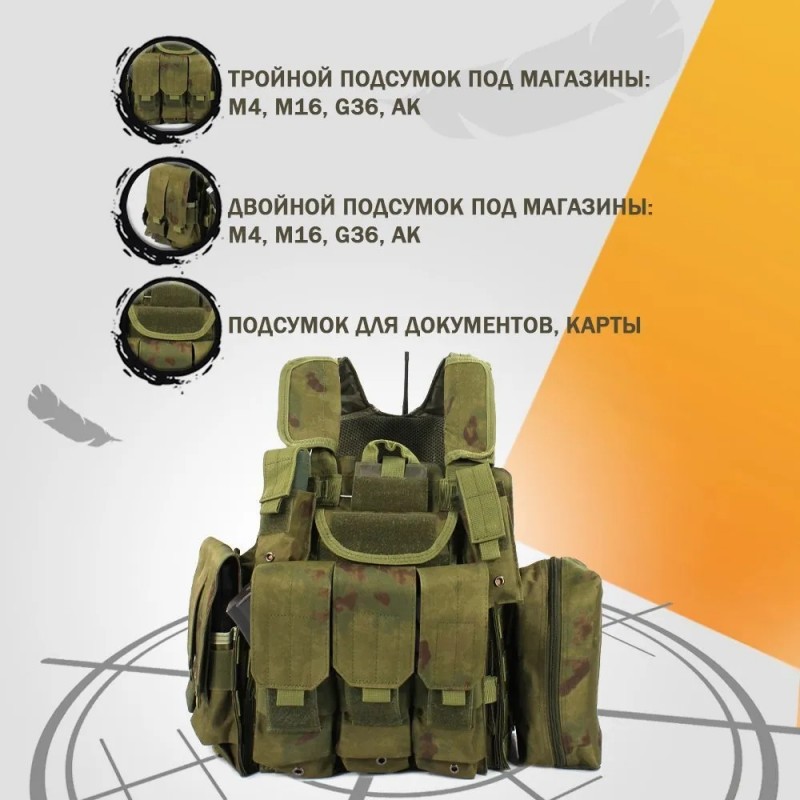
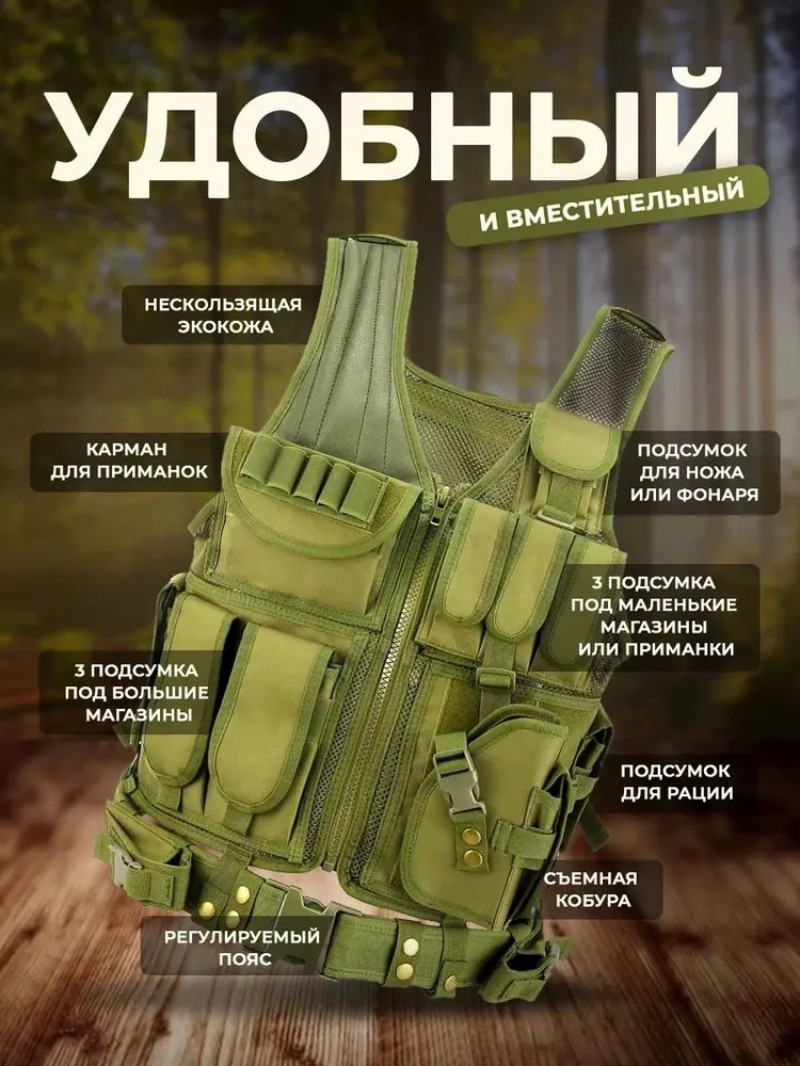
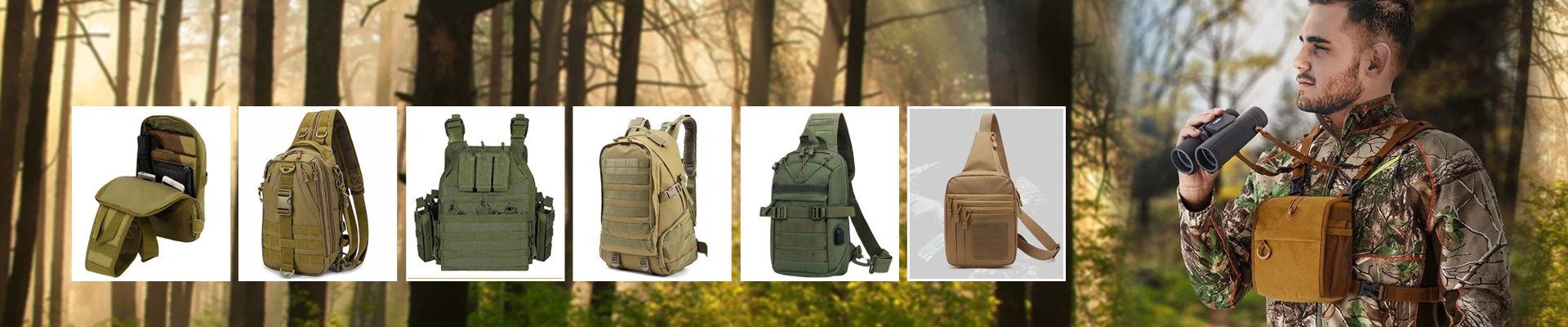
For a tactical equipment supplier such asGuangzhou Ida Travel Products Co.,Ltd, whose activities include tactical backpacks, bags, and protective equipment, the key challenge will be adapting these trends to the real needs of the user. Will a backpack with built-in sensors be in demand in the field? There are still more questions than answers. Reliability, field maintainability and simplicity remain top priorities for hydration systems, vests and protective equipment.
Thus, the attack of the nylon backpack is a continuous process of evolution, where the breakthrough is not a single invention, but the synergy of materials science, engineering design and a deep understanding of practice. This is a story not about a revolution, but about consistent, sometimes not obvious from the outside, improvement, where every seam, every impregnation and every buckle is the result of trial, error and compromises found. And it is precisely in this imperfection of practical experience that true technological progress lies.