

2025-02-17
content
In today's world, where technology is developing at an unprecedented speed, its potential can significantly improve the level of safety of people in public places. The relevance of this topic is especially great given the recent cases of backpack attacks in China. Such incidents cause public concern and require the search for effective measures to prevent them. Imagine a future where innovative technologies help prevent such incidents by providing protection and comfort. This article explores how modern developments and inventions can be implemented to create a safer environment.
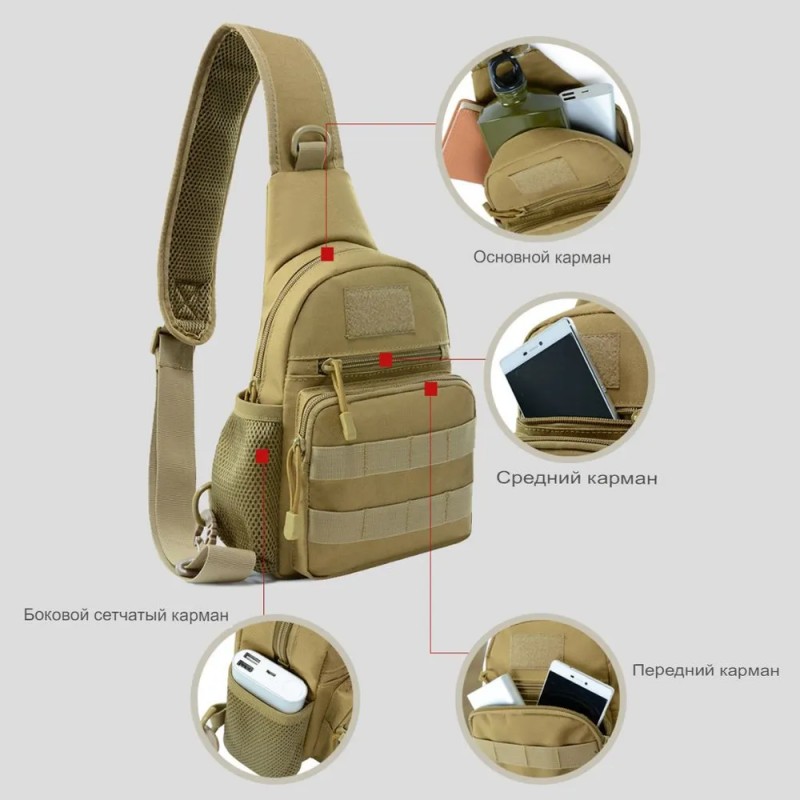
The evolution of smart technologies has also reached such familiar items as backpacks. Using smart backpacks could be the first step towards preventing backpack attacks in China. Such devices are equipped with pressure and motion sensors that record any suspicious activity. If an attempt is made to open the backpack unauthorized, the owner receives a notification on his smartphone. Moreover, some models are also equipped with built-in cameras and GPS trackers, allowing you to locate and visualize events in real time.
With the advancement of artificial intelligence technology, these backpacks can analyze data and predict potential threats based on the behavior of others. For example, suspicious activity or repeated attempts to open a backpack can be instantly identified, providing the user with possible scenarios for action.
Social media technologies and crowdsourcing platforms play a significant role in public safety. Users can share information about potential threats and danger zones, allowing the creation of a map of areas at high risk of backpack attacks in China. Such platforms facilitate the rapid exchange of data between users and allow better preparation for possible situations.
Prominent examples include social networks, where users can anonymously share observations and receive support from the community. Up-to-date data on threats and potential risks helps create a dynamic picture of the safety of populated areas. The implementation of such platforms requires respect for the personal privacy rights and safety of users, but in return they provide an effective tool in the fight against crime.
Facial recognition and artificial intelligence in the fight against crime
Facial recognition and other AI-powered technologies are powerful tools in the fight against backpack attacks in China. CCTV cameras equipped with facial identification systems can track suspicious individuals in real time. If a person with criminal intentions comes into view of the camera, the system can instantly send a signal to the relevant security services.
The integration of AI allows not only to detect suspicious behavior, but also to propose crime prevention solutions based on historical data. This is especially important in groups with high population densities and passenger turnover, such as public transport and large shopping centers. The use of such technologies requires a careful approach to protecting personal data to avoid misuse of information.
Biometric security systems are becoming increasingly popular in public and private institutions. They provide a new level of protection against backpack attacks in China by using unique body parameters for personal identification. Modern backpacks with similar systems can identify their owner using fingerprints, retina or even gait analysis.
In addition, some companies are already developing accessories with built-in biometric authentication technologies, which allows the owner to instantly notify the owner of illegal actions. These systems significantly reduce the risk of misuse of personal belongings and data, helping to maintain a higher level of safety in society.
The concept of smart cities changes the usual ideas about urban space, providing new opportunities to improve the safety of public places. The use of the Internet of Things (IoT) and monitoring systems allows cities to improve control over potential backpack attack threats in China. Such systems consist of a network of sensors and cameras that can update information about situations in public places at any time.
These methods are being implemented not only to improve safety, but also to improve the quality of service to citizens. Analyzing data collected through IoT allows authorities to respond more effectively to events and optimize security. This creates a sustainable infrastructure that helps reduce crime.
The rapid development of security technologies requires careful consideration of legal aspects and the protection of personal data. The introduction of new systems and methods to combat backpack attacks in China is always accompanied by the need to respect individual rights.
Legislation must simultaneously guarantee the safety of citizens and protect their personal data from abuse. The introduction of clear regulations and compliance with international standards in the field of data protection promote the correct use of new technologies in the public interest. Companies and government agencies must follow strict protocols to ensure that the implementation of AI and facial recognition systems takes into account all aspects of user security and privacy.
Thus, technology opens up new horizons for solving security problems, but its use must be carefully regulated and carried out with maximum transparency.