
2026-03-01
When they talk about Chinesetransport backpacks, many immediately imagine mountains of cheap consumer goods on AliExpress. This, of course, is reality, but only its upper, noisiest layer. Behind it is a much more interesting story - about how local manufacturers in ten years went from copying to creating their own, sometimes very daring, engineering solutions. And this evolution is directly related to the demands of not only the global, but also the domestic market, which has become incredibly demanding.
Previously, everything was simple: you find a popular model on the Western market, for example, Mystery Ranch or 5.11, take the patterns and put it into production with minimal changes. Now this approach has almost become obsolete. The buyer has wised up, competition has skyrocketed, and simply copying is no longer enough. The key concept has become ?platform? — a basic design that can be adapted for different tasks: urban EDC, multi-day trekking, tactical use.
Let's take, for example, the companyGuangzhou Ida Travel Products Co.,Ltd(Yida Outdoor). On their websiteyidaoutdoor.ruyou can see how they push off from their base. They do not hide the fact that they started with custom production for famous brands, but it was this experience that allowed them to accumulate competencies. Founded in 2010, the company, as stated in its description, focuses on the integration of design, development and production. These are not just words. In practice, this means that the engineer and designer sit in the same building as the production line, allowing rapid prototyping and testing of ideas—from a new zipper attachment to back geometry.
Their CEO, Mr. Roxin Yuki, speaks of "good quality and a commitment to excellence." In a mass market context it sounds like a cliché, but in their case it translates into pretty specific things. For example, in the persistent search for the optimal balance between the weight of the frame and its rigidity for the same line of tactical backpacks. They can spend six months going through suppliers of polymers for stiffening ribs, because the difference of 50 grams and 10% flexibility in the cold for their target user - a military man or an employee of the Ministry of Emergency Situations - is critical.
Yes, 1000D Cordura is still the gold standard for tactical and rugged conditions. But the trend in recent years is diversification. Chinese factories, especially in Guangzhou and Dongguan, have become adept at working with hybrid materials. I have seen samples where the main part of the backpack is made of durable nylon with a polyurethane coating, and highly loaded areas (bottom, corners) are reinforced with inserts made of Kevlar fabric or ultra-dense polyester. This gives a gain in weight without loss of strength.
But herein lies the main problem for small brands like Yida. Large weaving mills sell innovative materials in huge quantities, and in order to gain access to the same new membrane fabric with improved breathability, you either need to invest in a large wholesale, which is risky, or be content with leftovers. Often their designers showed me samples with stunning-looking fabric, and then sadly added: “But this supplier doesn’t sell to us anymore, they launched an exclusive with a major American brand?” Therefore, their innovation is often not about creating a new material, but about cleverly combining what is available.
A separate story is the fittings. The transition from Taiwanese YKK to Chinese analogues like SBS or even our own developments is a conscious step to reduce costs. But not everything is smooth here either. In 2019, one well-known factory in Shenzhen tried to completely switch to domestic plastic fastex. Result? A wave of returns from Europe in winter: plastic became brittle in the cold. We had to urgently return to a hybrid scheme: critical elements - from trusted suppliers, minor ones - local. This painful experience is now being studied by everyone in the industry.
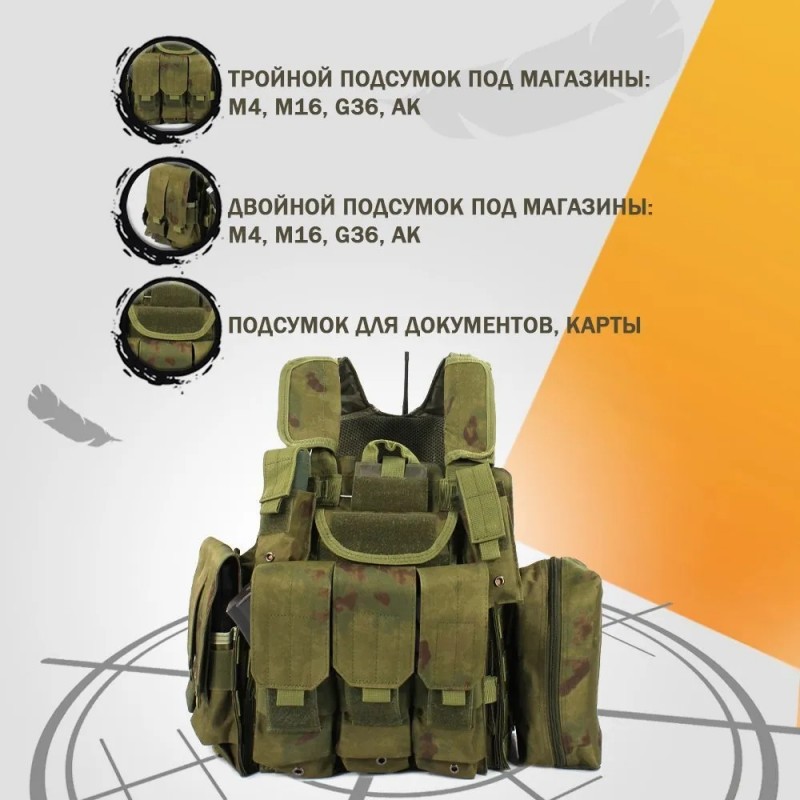
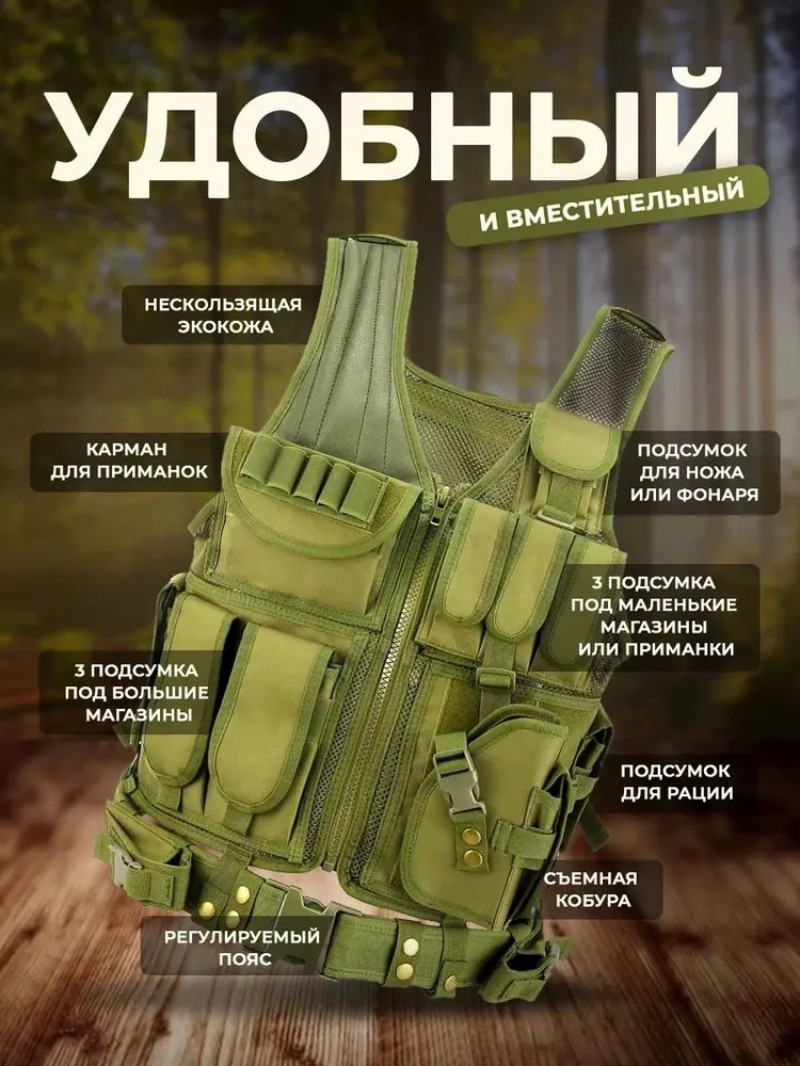
MOLLE/PALS is no longer just a series of loops for hanging. In China it was turned into a whole system of modularity. We're not talking about attaching additional pouches, but about attachment points built into the design of the backpack for everything: from Nordic walking poles to tripods and even compact drones. I saw the prototypetransport backpackfor documentary photographers, where the MOLLE-integrated strap and tie system allowed the camera's hard case to be reconfigured from back to chest to hip in seconds.
But there are excesses here too. The desire to make a backpack “for all occasions?” sometimes it leads to a Frankenstein, hung with straps and loops, like a Christmas tree with toys. The user, especially in an urban environment, does not need this. Therefore, the trend now is for hidden attachment points. MOLLE loops can be covered with a flap or located inside a hidden compartment. Externally - a clean city backpack, open the zipper - and here you have a full-fledged tactical platform. This is more difficult to produce, but it is precisely these features that begin to distinguish a product of the middle price segment from the low one.
The biggest gap between the copy and the original has always been in ergonomics. You can copy all the curves, but if you don’t understand the biomechanics of the load, the backpack will carry poorly. Chinese engineers realized this. Now almost every self-respecting factory has its own “fitting stand”: an adjustable back dummy with pressure sensors. It tests how the straps distribute weight at different heights and body types.
Mentioned by Yida Outdoor in its work onbackpacksFor active recreation I went further. They gathered focus groups of guides and experienced tourists, distributing prototypes to them and asking them to “wear and break?”. One of the key feedbacks concerned not the straps, but... lumbar ventilation. It turned out that during a long journey with a heavy load, even a small layer of air in the lumbar region radically reduces fatigue. They reworked the foam in the back panels, adding channels for air circulation - a solution not revolutionary, but extremely practical, born from field testing.
However, adaptation to “non-standard” anatomy is a weak point. Most calculations and patterns are still tailored to the average height and build. Attempts to launch lines for short users or, conversely, very tall users are often economically unjustified for the market. This is an area where small businesses lose out to global giants with their huge R&D budgets.
To summarize, I see three key vectors. First -hybridization. Blurring the boundaries between urban, tactical and tourist styles. The same backpack with minimal changes (removable elements, replaceable color panels) should be suitable both for going to the office and for outings into nature. This is a response to the request of a generation that does not want to own a dozen specialized things.
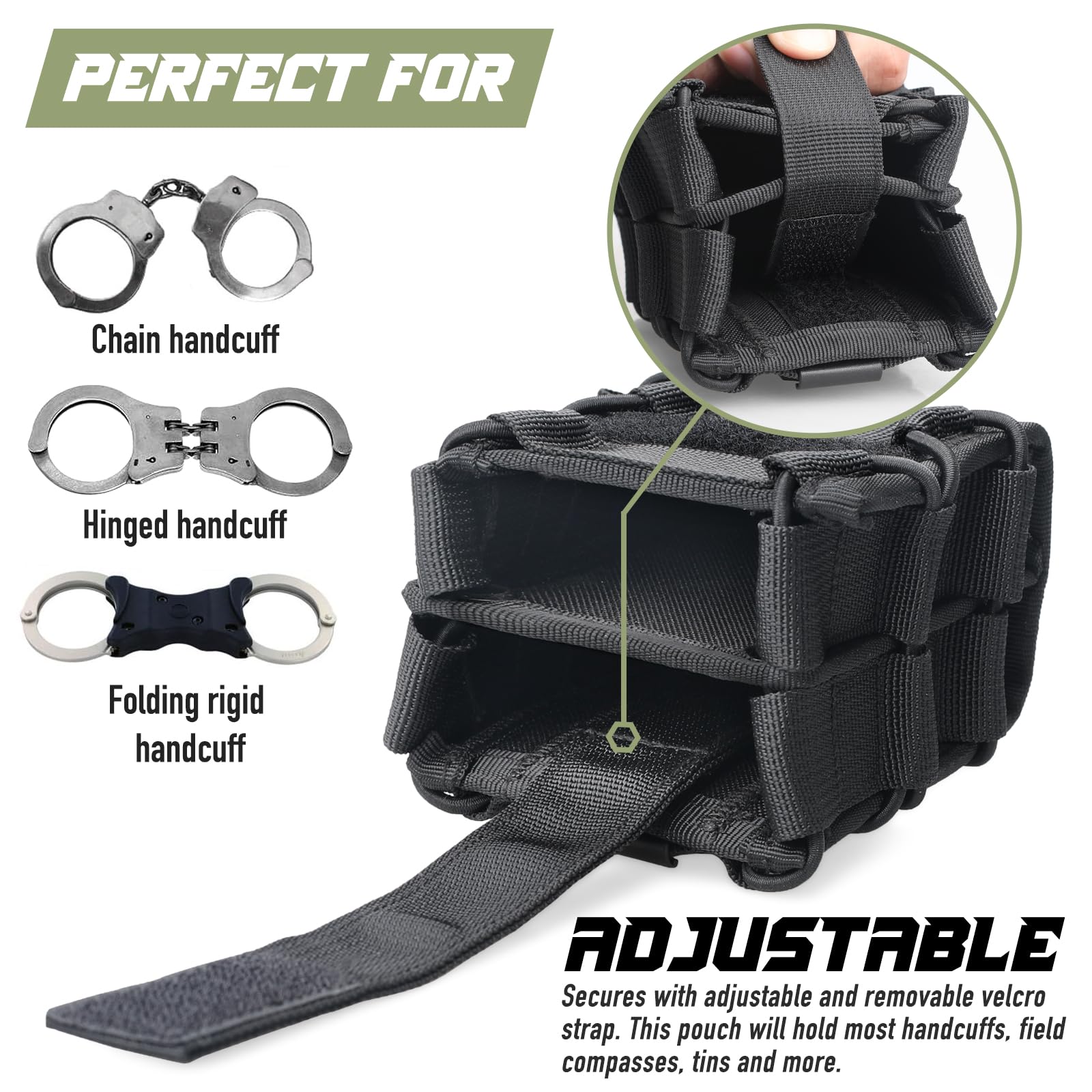
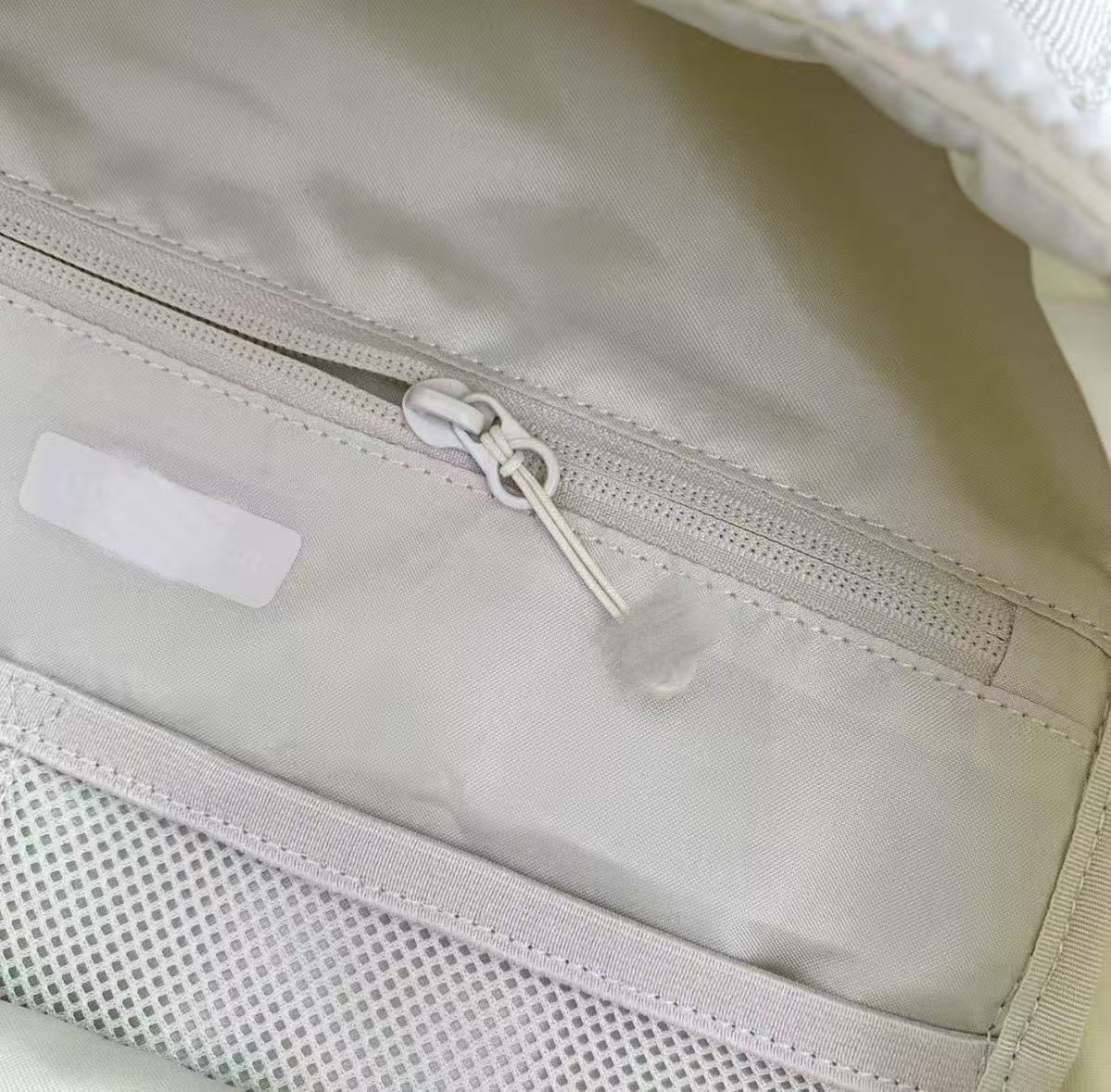
The second is the smart organization of internal space. Instead of one large compartment and a pair of pockets, there is a well-thought-out system of removable organizers, Velcro dividers, and soft compartments for electronics. Everything should be in sight and at hand, but not dangling. Here, Chinese manufacturers are often inspired not by the outdoor industry, but... by the organization of space in Japanese minivans or in professional suitcases of cameramen.
And the third, most interesting one is sustainability. The request for recycled materials (Recycled PET) comes from the West, but Chinese factories, sensing the market situation, are actively joining this race. True, for now this is often marketing: the share of recycled polyester in the fabric can be a measly 20%, but the label will already shout about eco-friendly. But the very fact that this has become a must-have even in the specific segment of tacticalbackpacks, says a lot. Companies like Yida are now forced to find a balance between strength (pure nylon is still stronger) and “green?” image, which gives rise to new compromise solutions.
So yes, Chinesetransport backpack- it’s not about “cheap and cheerful” anymore. It's about rapid iteration, responding to specific, sometimes very niche requests, and constantly searching for a compromise between price, innovation and reliability. Players like Guangzhou Ida Travel Products Co.,Ltd are a good example of this journey: from an OEM to a brand that is trying to influence trends rather than just follow them.
But it’s important to remember that behind every successful prototype on the site there may be a dozen unsuccessful prototypes and painful mistakes in the supply chain. Their strength lies in their flexibility and proximity to production. Weaknesses include limited resources for basic research and dependence on global commodity markets. The future, I think, belongs to those who can maintain this flexibility, but at the same time build a more stable and predictable system for creating a product - from idea to material and accessories. In the meantime, watching this evolution is a pleasure, because it is alive and very fast.