
2026-03-14
The question is: is a walking bag just a fashion trend or is it still a technological product? constantly pops up in professional circles and among users. Many people mistakenly reduce everything to appearance, losing sight of the engineering thought behind the seemingly simple forms.
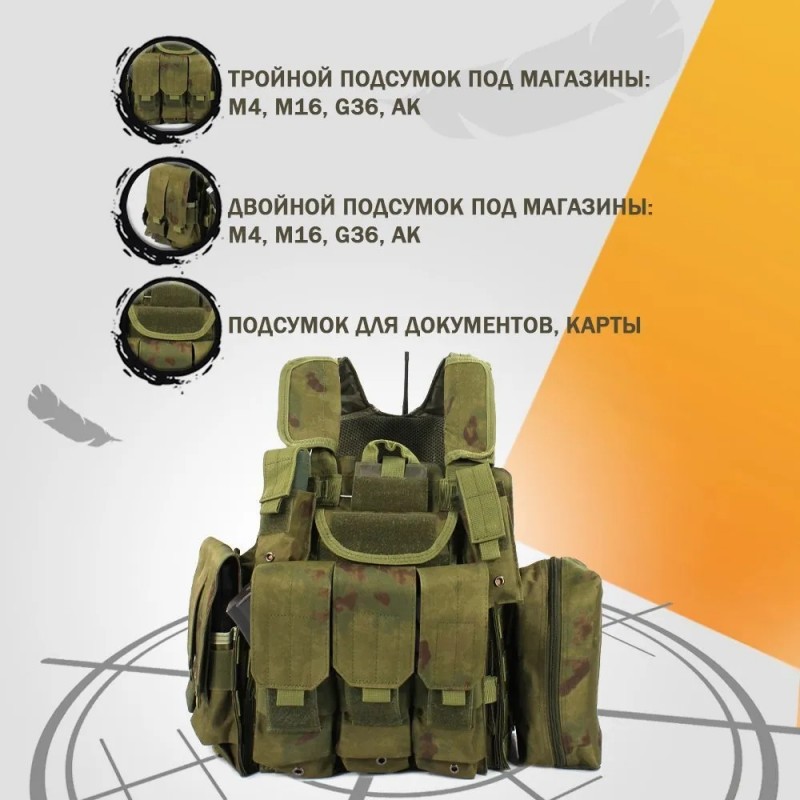
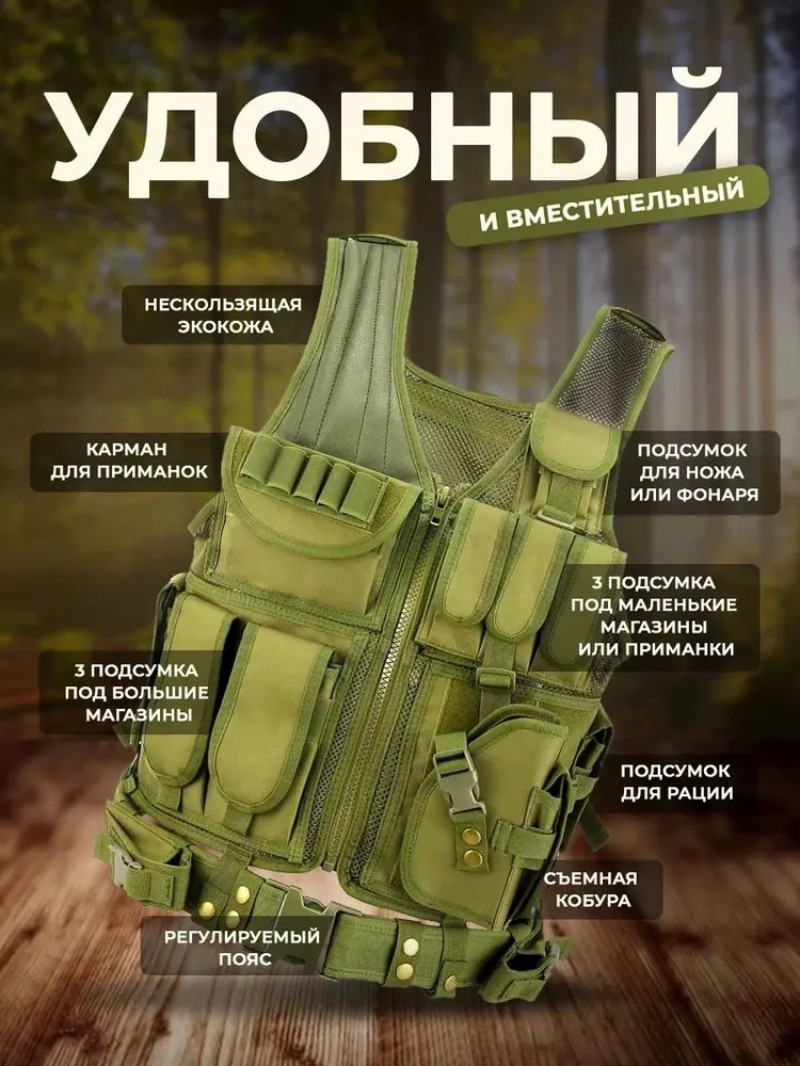
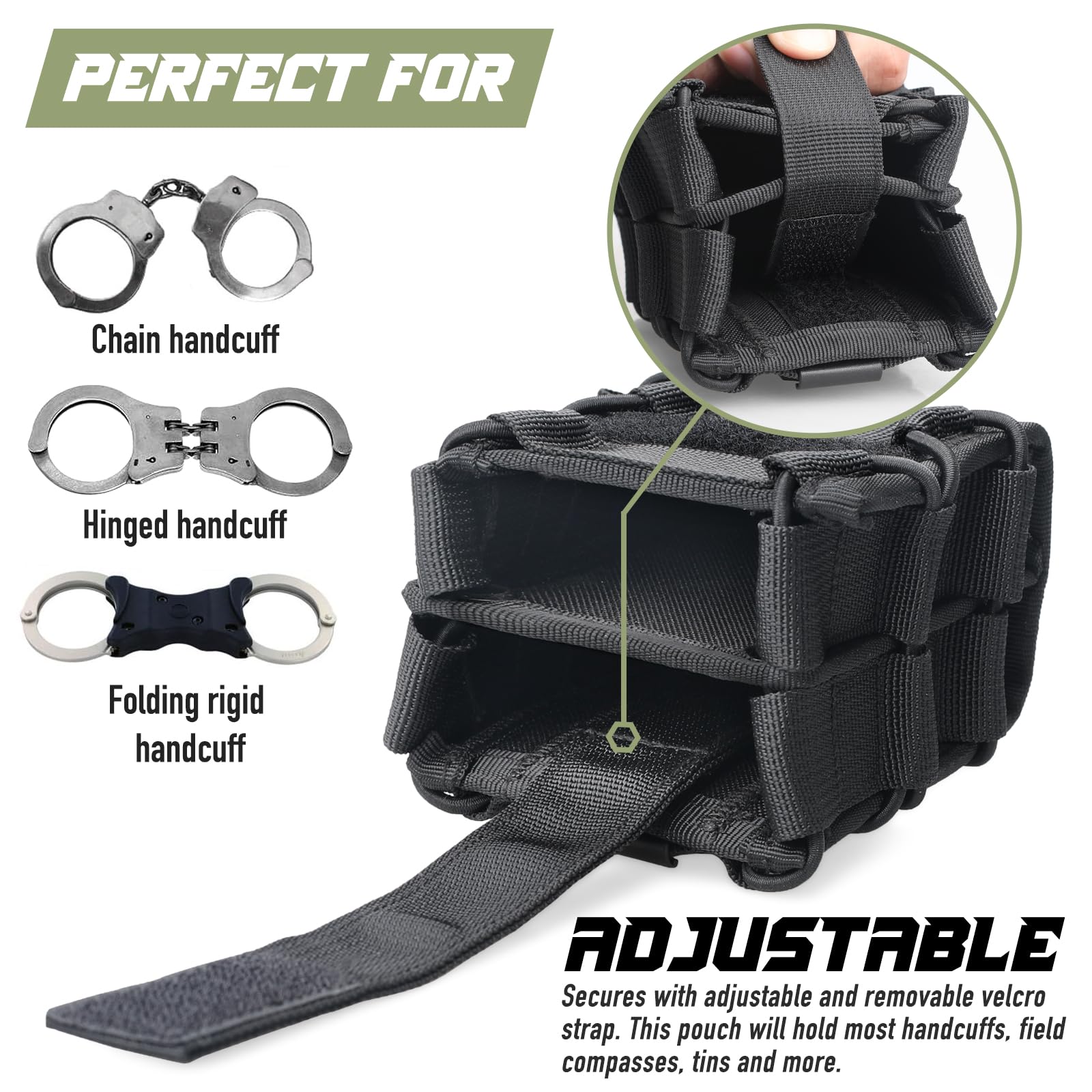
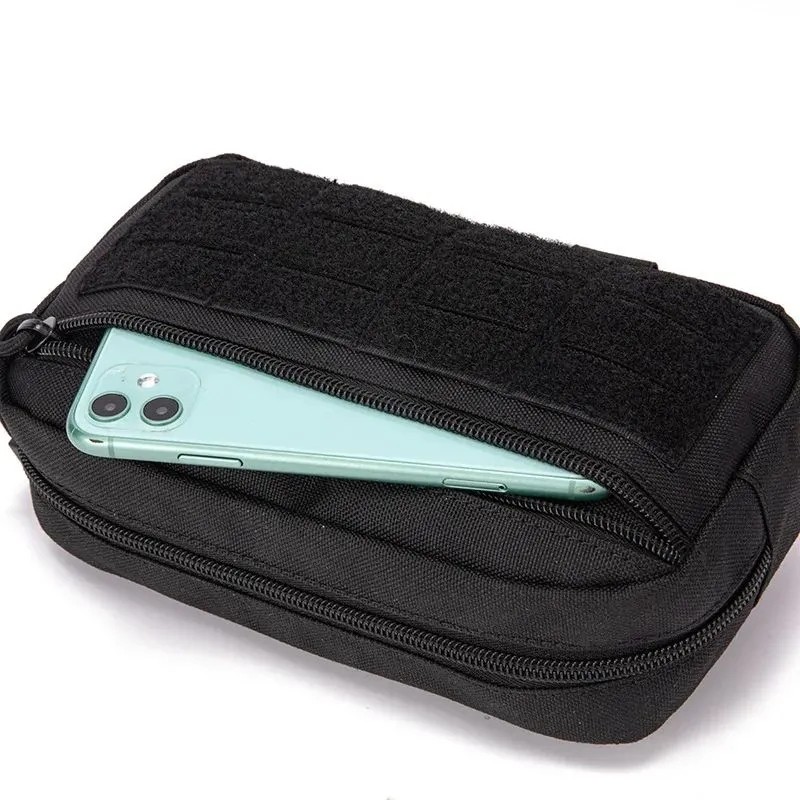
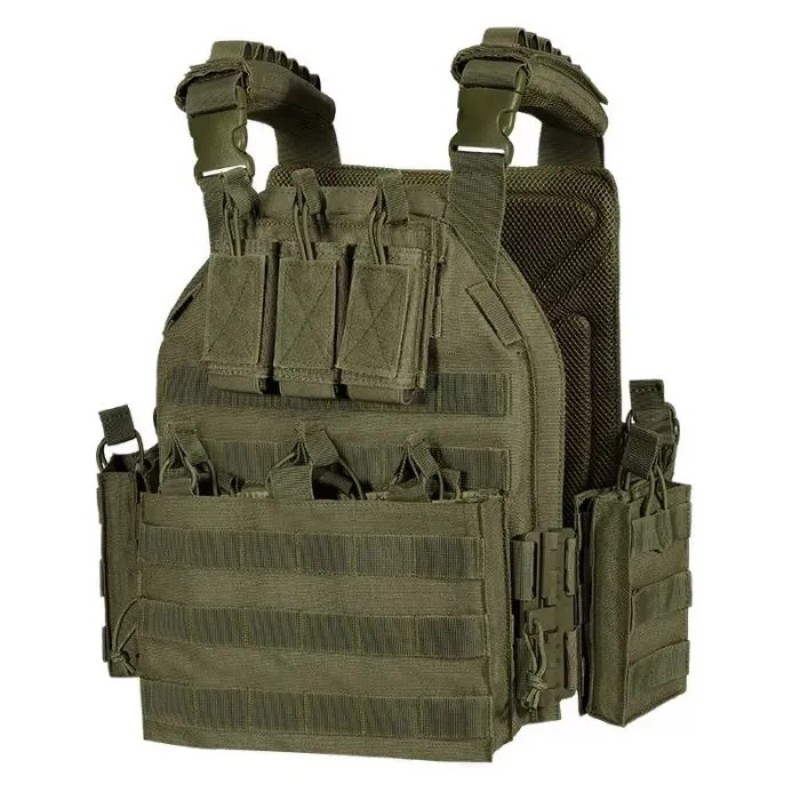
It all started, of course, with tourism and active recreation. The classic trekking backpack with its rigid suspension system, ventilated back and many compartments was the standard. But wearing such a colossus in the city is ridiculous. And this is where an interesting shift has occurred: technology from the “big” ones. backpacks began to migrate into small forms. This is not about copying, but about adaptation. For example, the systemMOLLEor its civilian counterparts have ceased to be an exclusively tactical attribute. Now this is a way to customize an ordinary city bag: attach an additional pocket for a power bank, sweater or water bottle - and the functionality has increased significantly, without increasing the main volume.
I remember how five years ago my colleagues fromGuangzhou Ida Travel Products Co.,Ltddiscussed one of the first such hybrid projects. The task was to make not a “hiking bag,” but an urban accessory that would not reveal the owner as a tourist, but at the same time had the endurance and thoughtfulness of hiking equipment. The tactical equipment company suddenly began receiving requests not from climbers, but from designers and IT specialists who needed mobility and order in their things.
The key was the abandonment of the bulky frame. Instead, they began to use combinations of materials: dense but flexible polyester body and rigid EVA foam inserts in the bottom and sides. This gave shape, but did not make the bag look like a stake. The mistake of many of the first samples was precisely their excessive rigidity - such a bag lay uncomfortably under a seat in a car or in a tight space.
Here lies the main misconception. When people say “tech bag,” everyone immediately thinks of heavy-duty fabric like Cordura. Yes, this is an important element, but technology is a set of solutions. Let's take water resistance for example. Taped seams are already standard for a good travel backpack. But in a city bag this is often ignored, limiting itself to simply water-repellent impregnation (DWR), which wears off over the course of the season. As a result, in the rain, documents or a laptop are at risk. True technology is when water resistance is built into the design, and is not a marketing inscription on a tag.
Another aspect is weight. The use of modern high-density nylons reduces weight without losing tensile strength. But it's expensive. Therefore, the market is full of “pedestrian bags” that look solid, but with an empty weight of 1.5 kg they no longer seem so convenient. Balance here is an art.
I remember a batch of bags where, to save money, they used too heavy fittings - metal carabiners and zippers. As a result, the weight of the accessories outweighed the benefits of lightweight fabric. We had to revise the specifications and switch to specialized plastic fittings from YKK or Woojin, which are not inferior in reliability, but are much lighter.
This is perhaps the most subjective and difficult section. A trend can be copied from a photo, but ergonomics cannot. goodwalking bagshould properly distribute the load, even if it is not a backpack. For example, the width and shape of the strap. The flat, wide foam shoulder strap with perforations for ventilation is not a design, it's a comfort technology. It doesn’t dig into your shoulder when you have a laptop, tablet and a couple of books in your bag.
The placement of the handles is another point. The center of gravity should be designed so that the bag can be carried comfortably in the hand, on the shoulder, and on the bend of the elbow. I often see models where the top handle is sewn strictly in the center of the top, but the main mass (laptop) is located at the back wall. As a result, the bag constantly strives to turn over. This is a fundamental design flaw.
Separately, it is worth mentioning the back of the bag (the part that is adjacent to the body). Urban models rarely have a full-fledged ventilated suspension, but textile inserts with breathable channels or mesh are already a common practice. In summer, this saves you from a sweaty back.
Internal organization is where the trend finally turns into technology. Previously, it was just a large compartment and a couple of pockets. Now this is a well-thought-out storage system. A mandatory padded compartment for a laptop (often with a Velcro holder to secure the device) is already a must-have. But then things get more interesting.
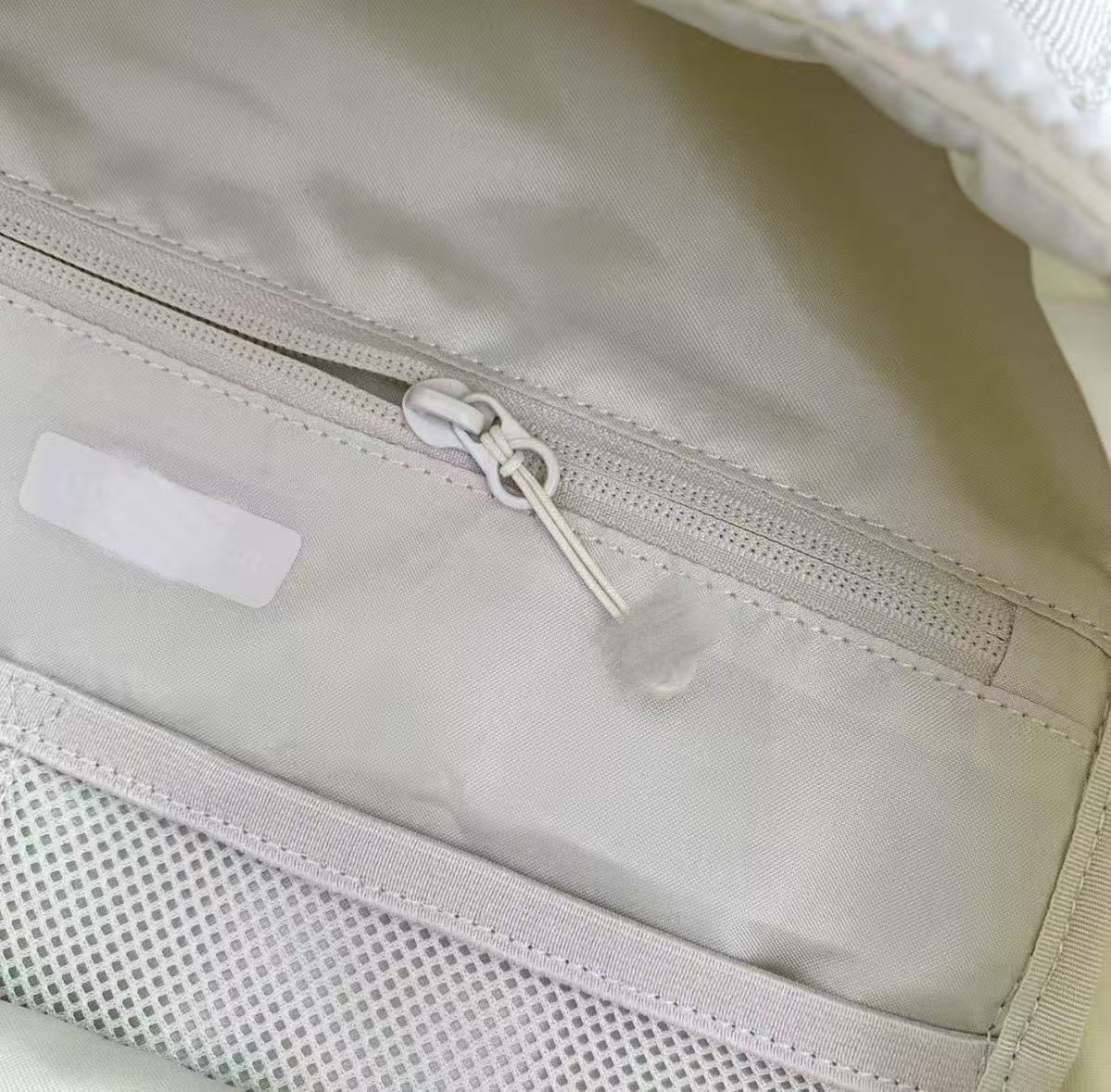
For example, a separate vertical pocket for a passport or boarding pass with an exit to the top edge of the bag - so as not to rummage around inside at security control. Or a hidden pocket on the back for valuables. A system for fastening keys on a retractable carabiner so that you don’t have to look for them at the bottom. All these little things are the result of an analysis of real use cases, and not the designer’s imagination.
In the products suppliedGuangzhou Ida Travel Products Co.,Ltd, I have often seen successful solutions adopted from the tactical range. Let's say, removable panel organizers inside the main compartment that can be reconfigured for different tasks: today you carry a camera with lenses, tomorrow - documents and a tablet. This is pure modularity technology.
But there are also failures. We once tested a bag that was overly organized and had 17 pockets of varying sizes. As a result, the user spent more time remembering where everything was, and the total weight of all these partitions and zippers was prohibitively large. Lesson: Organization should be intuitive, not total.
That's the main question. Fashion for "technical" or ?urban tactical? style (urban tactical) really was a wave. Everyone wanted molle-style bags with carabiners and earth tones. But the wave will subside, and what will remain? It will be the technological solutions that have proven their usefulness that will remain.
The trend is khaki color and excess lines. Technology is the very well-thought-out system for attaching slings (MOLLE), which allows you to adapt the equipment to suit you. A trend is just a hard bottom. The technology is a molded thermoplastic bottom that does not deform under load and protects the contents from impacts.
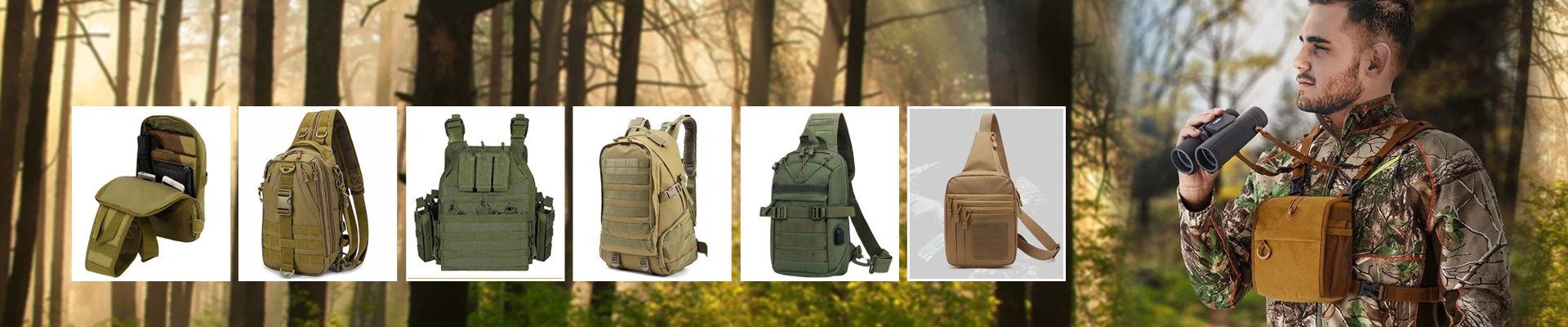
Now I see how the market is segmented. Highly specializedhiking bags: for cyclists (with reflective elements and helmet mount), for photographers (with quick access to the camera), for “digital nomads” (with a focus on organizing gadgets and cables). This is no longer a trend, but a response to specific technological requests from different user groups.
Therefore, returning to the original question. ?Pedestrian bag? - this is basically technology, embodied in a form convenient for daily use. Fashion only attracted the attention of a wide audience to it, pulling it out of the niche of harsh tourist and tactical equipment. But only those models will survive and become new classics where the first place is not external attributes, but thoughtful engineering work on materials, ergonomics and organization of space. Everything else is just a bag with straps.