
2026-03-14
Bags made from recycled materials? Let's be clear right away: this is not just a trend, but a full-fledged segment where marketing often outstrips real technological capabilities. Many people expect a cheap eco-product, but in reality they either get green camouflage or something that is not viable in field conditions. I mention this because I have experienced both the production and frustration of customers who bought a durable bag only to have it come apart at the seams after the first serious hike.
When we talk aboutrecycled materialsFor tactical or outdoor equipment, you can’t fit everything into one size fits all. The main source is PET bottles. They are used to make polyester thread. It would seem that everything is simple. But the key point is not the fact of using recycled materials, but what generation of this raw material is used and how it is integrated into the structure of the fabric. Virgin recycled fibers are often shorter and less durable than virgin polyester. Therefore, in critical products they are mixed with primary fibers or used in certain, not the most loaded parts of the product.
There is also a problem with coatings. Many durable fabrics, such as cordura or ripstop, have a PU or PVC coating for water resistance. This is where the huge problem for real recycling lies. Fabric with such a coating is extremely difficult to recycle into high-quality fiber. So when a brand says its backpack is made from 100% recycled materials, it's worth checking to see if the material itself is recycled, or if it uses threads made from other plastic waste. This is a big difference from a life cycle perspective.
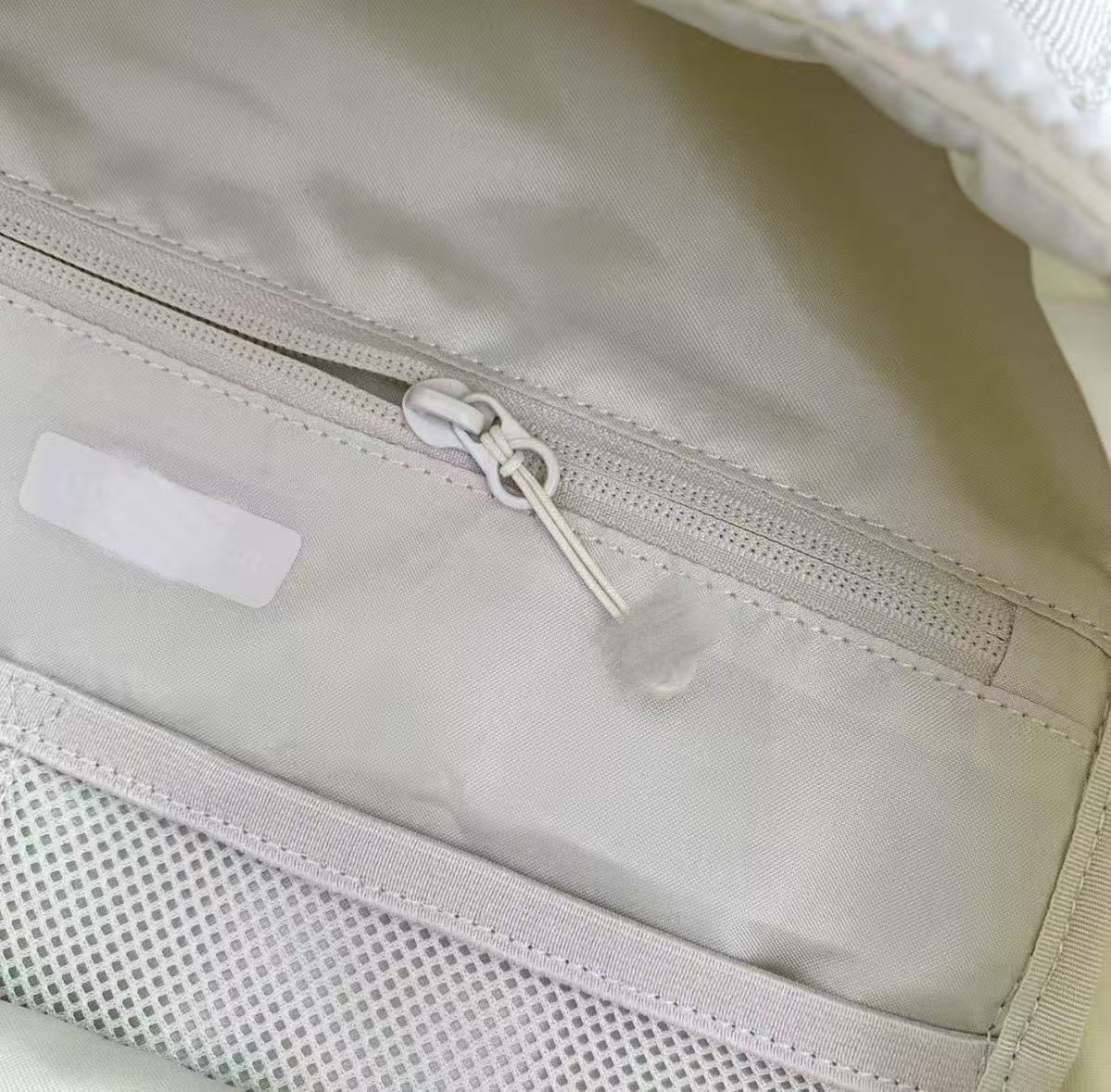
In our practice, whenGuangzhou Ida Travel Products Co.,Ltdwas considering such options for our line, we were faced with a dilemma: maintain the declared tactical reliability or go pure eco. A compromise was found in hybrid solutions. For example, the main body fabric is standard high-strength, and the lining, pockets, and dividers are made from recycled polyester. This approach, by the way, is often found among serious players, and not just us. It allows you to not sacrifice performance, but reduce the overall carbon footprint of the product.
The most common question from clients who are looking towards eco-products: Will they tear? And he is absolutely fair. The consumer of tactical equipment - be it a tourist, an airsoft player or a service employee - counts on the equipment as a tool for survival or professional activity. There is no room for compromise in reliability.
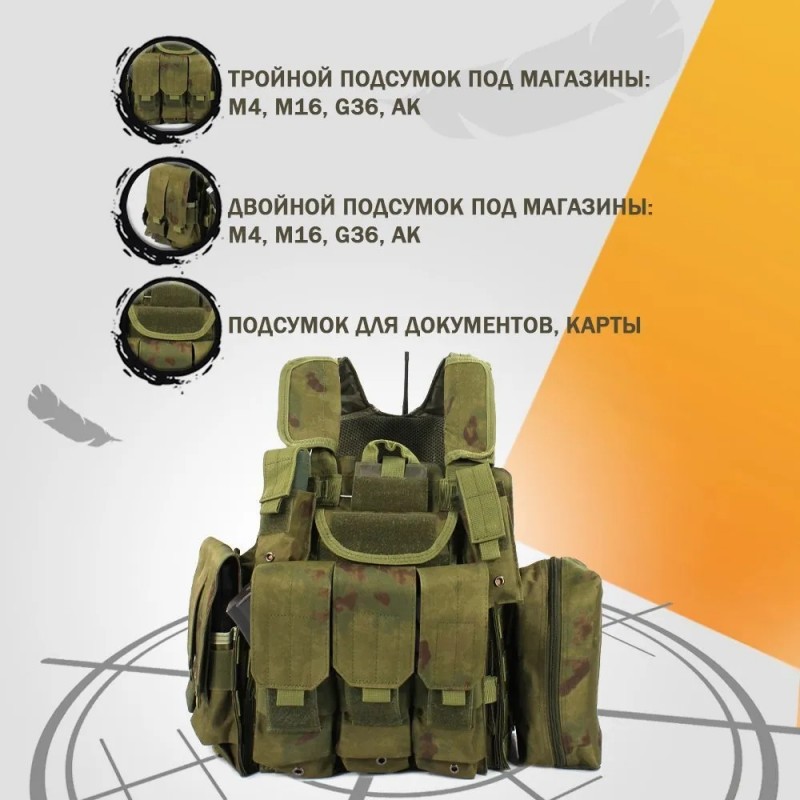
I remember one of our early experiments. We tried to make a prototypetactical backpackMOLLE, where the main fabric was 100% recycled polyester, similar in density to our standard material. Laboratory tests for tear and abrasion showed acceptable but slightly lower results. But the field tests put everything in its place. After a month of active use with a typical load (walkie-talkie, water, tools), signs of increased wear began to appear at the corners and in the places where the straps were attached - abrasions and pilling. For a city bag this is the norm, for a tactical bag it is unacceptable.
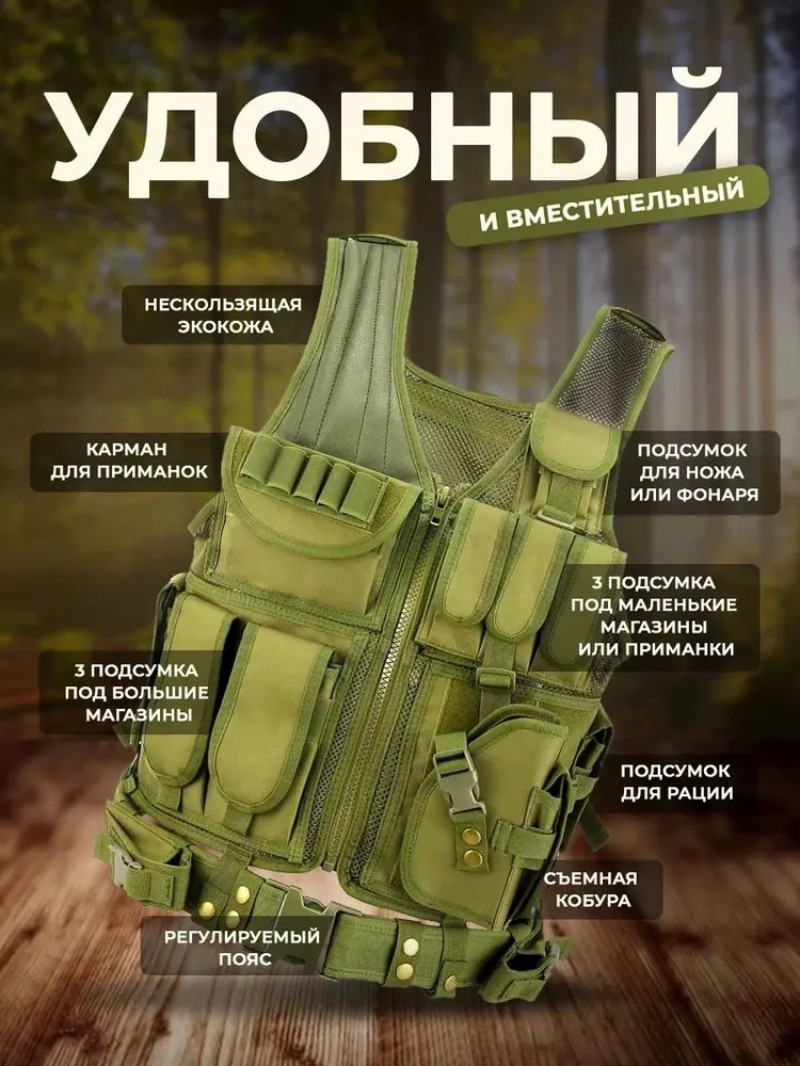
This experience forced us to shift our focus. We now see recycled materials not as a replacement, but as a complement. Let's sayfunctional bagsfor EDC (everyday carry) where loads are lower, or water bags are great candidates. And for the main tactical backpack orbulletproof bag, where lives may be at stake, we for now reserve priority for proven primary materials with known and predictable behavior.
This opens up another layer of problems - certification. The market is full of labels: Global Recycled Standard (GRS), Recycled Claim Standard (RCS). Their presence is a good sign, but not a panacea. The certificate confirms the supply chain of raw materials, but does not guarantee the final performance of the product. The client must understand what he is buying. For our part, we try on our websiteyidaoutdoor.ruindicate as transparently as possible which component is made of what: the main fabric is 500D polyester, the lining of the main compartments is 210D recycled polyester (GRS-certified). This creates honest expectations.
Behind the scenes of beautiful photos with mountain peaks and eco-slogans remains the prose of life - cost and accessibility. High-quality processed raw materials, especially those of the same level as virgin ones, are often more expensive. The chain of its production is more complex: collection, sorting, cleaning, processing into granules, then into thread. All this requires energy and infrastructure.
When we purchase fabrics for production, we see a difference in price and, critically, in the stability of supply. A batch of recycled polyester in one shade may run out and the next one will have a minimal but noticeable color deviation. For military equipment where camouflage is important, this is a disaster. For a city line, this is solvable, but requires additional inventory management and planning.
This leads to an interesting paradox. Sometimes a product made partially from recycled materials is more expensive than a completely virgin product. Explaining this to the end consumer, who often believes that recyclable materials are equally cheap, is a separate task. We have to conduct an education about the real cost of responsible recycling.
So where is the industry heading? In my opinion, the future does not lie in a total transition to recycled materials in the tactical segment, but in their smart integration and the development of new technologies. Biopolymers are already emerging that can compete with traditional plastics, but their resistance to UV radiation and extreme temperatures is still questionable.
I see a more promising way to design products taking into account their future recycling - design for recycling. For example, the use of fabrics of one type of polymer (mono-materials) without complex combined coatings, which facilitates the subsequent processing of the product itself. Or developing stronger and more durable products that don’t need to be replaced every season, which is globally more environmentally friendly than producing even green disposables.
BGuangzhou Ida Travel Products Co.,LtdWe are now exploring the possibility of using recycled materials for non-key elements, no longer as an experiment, but as a production option. Let's say you offer the client a choice of color for a lining made from recycled polyester. Or release a special episodebackpacksfor hiking, where an emphasis on sustainability is combined with lightweight yet durable construction. This is an honest and realistic step.
In the endrecycled bagis not a magic wand, but a complex engineering and logistics challenge. Its value lies not in the buzzword on the tag, but in the actual reduction in environmental impact without sacrificing the functionality that people value in tactical gear. And this balance is the most difficult, but also the most important thing in our work. Progress will be gradual, from model to model, from component to component. And that's okay.