
2026-03-18
Nylon in camping backpacks is no longer just a fabric, but a field of experimentation where innovation is often confused with marketing. Many are waiting for a revolution, but in reality, progress is a compromise between strength, weight and that very “practicality” that everyone talks about, but is rarely tested in the field.
When they say “nylon backpack”, they often mean something monolithic. In fact, this is a whole spectrum: from basicnylonto Cordura with different denier deniers. This is where the first pitfall lies. A density such as 500D does not guarantee absolute tensile strength if the side pocket is overloaded at an awkward angle. I saw how on one of the hikes a friend’s side wall burst, although the backpack itself was from a “tested” one. dense material. It turned out that the problem was in the weaving and processing of the seams, and not in the nylon itself.
Innovation often follows the path of combination. For example, the main part ofnylon600D, and the bottom is made of 1000D. Logical? Yes, but only if the gain is actually where the true load is. Some manufacturers, trying to show high numbers, reinforce the bottom, although in practice the backpack often rubs against rocks on the sides or in the area where the straps are attached. This is not a theory, but an observation after testing several samples, including from suppliers likeGuangzhou Ida Travel Products Co.,Ltd. Their assortment reflects this pragmatic approach to fabric combinations.
Another point is coverage. PU, silicone, all sorts of membranes... They radically change the behavior of the fabric. SiliconizednylonIt is lighter and better repels water “in the field”, but it is more difficult to glue and repair in the event of a serious break. PU coating is more reliable in terms of seam integrity, but can peel off over time. The choice is always a matter of priorities for a specific use case.
New forms of pockets or MOLLE systems are often called innovations. But the truly revolutionary changes come in suspension systems and weight distribution. For example, there is a trend towards more rigid and ventilated backrests. The idea is not new, but its implementation iscamping backpacksmade of nylon became widespread only when they learned how to make light but rigid plastic inserts that do not break in the cold.
However, there is a trap here. A rigid back is not always good for hikes where maneuverability is needed. I remember how one was so “innovative”? The aluminum frame system constantly caught on branches when moving through dense forest. I literally had to abandon it in favor of a softer and more flexible option. Innovation must be relevant.
The adjustment system is a different story. Modern straps and waist belts with a bunch of slings and fastex look technologically advanced. But with wet gloves and in the cold, all these micro-adjustments turn into torture. Sometimes a simple and reliable buckle turns out to be more innovative? complex mechanism. This is to the question that real improvements are born not in catalogues, but in the mountains or forest after many hours of wear.
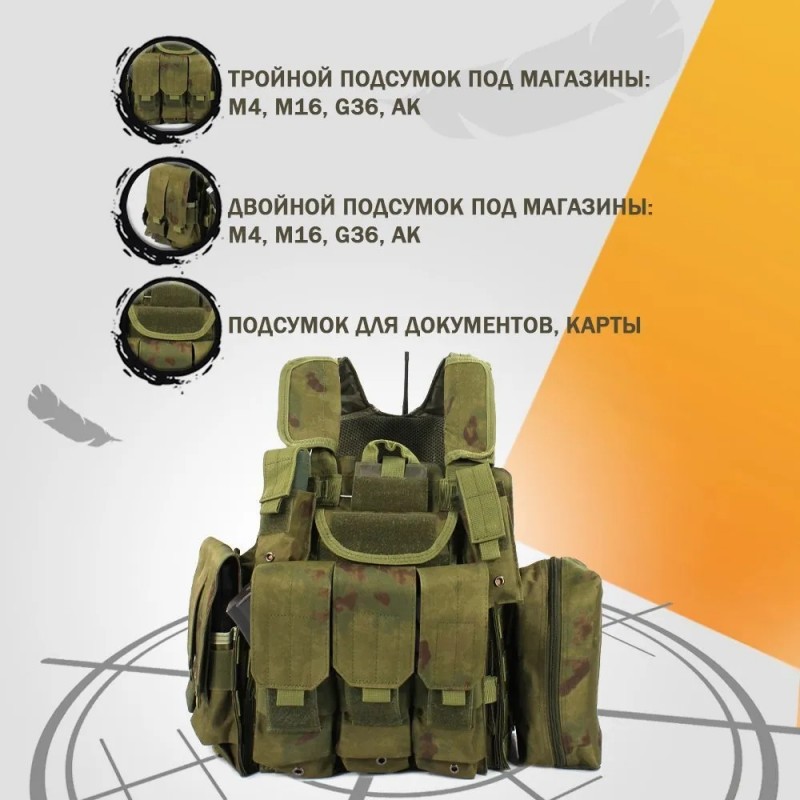
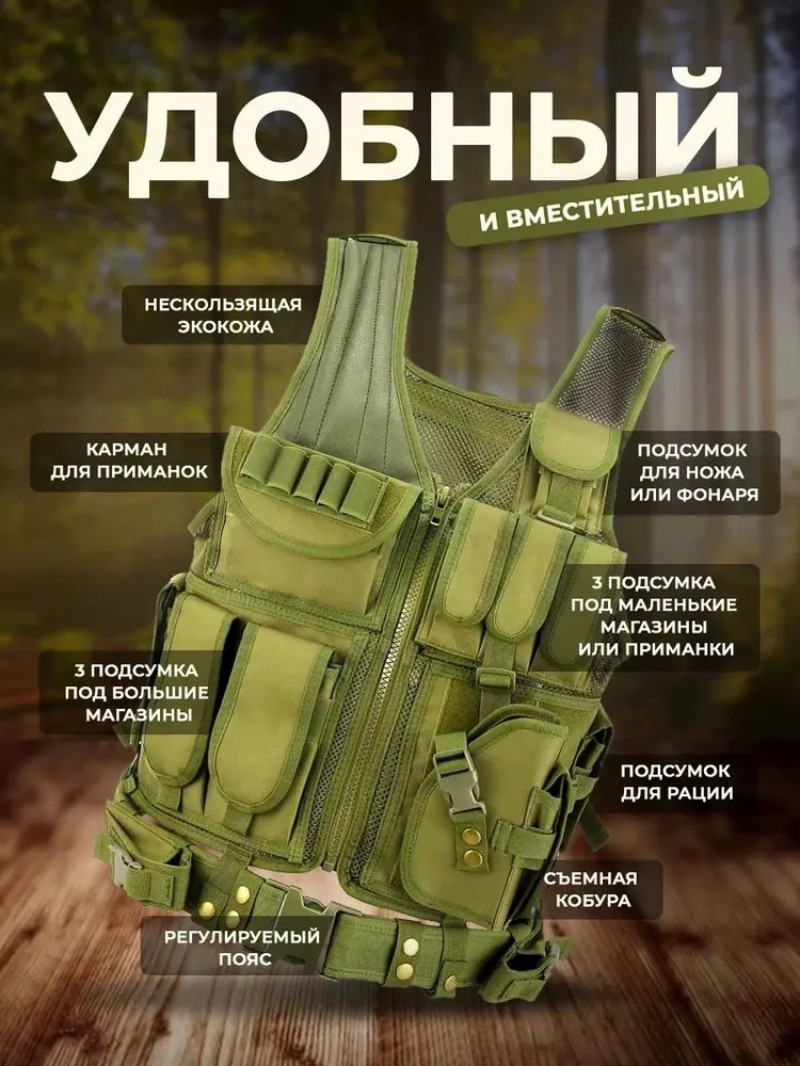
The MOLLE/PALS system is certainly a useful invention that has migrated from tactics to tourism. But its adaptation fornylon backpacksNot always good for camping. The key problem is the placement of the rows. If they are placed without taking into account the center of gravity of a loaded backpack, then a bottle cage or pocket attached to the side will constantly outweigh and unfold the structure.
On the websiteyidaoutdoor.ruit is clear that the company, as a supplier of tactical equipment, understands this. Their backpacks often show clever placement of attachment points. But even good samples have a nuance: the strength of attachment of the MOLLE tape itself to the main nylon. It happens that the fabric of the backpack can withstand it, but the stitching with which the tape is sewn cannot. This is a question of the quality of tailoring and threads.
Modularity is not a panacea. Each additional module is a weight and a potential point of failure. For long-term self-contained camping, the reliability of a monolithic structure often outweighs the benefits of hanging elements. Innovation here is the ability to make a backpack both holistic and flexible, and not just slap rows of tape on it.
Almost every manufacturer claims to be waterproof or even waterproof. But in the field, everything is different. Taped seams are standard, but over time the glue loses its properties. Ultrasonic seam welding seems to me to be a more innovative approach, but it is not always applicable to all typesnylonand makes repairs almost impossible.
Durability is a story not only about the fabric, but also about the accessories. You can have super-strong Cordura nylon, but if the plastic fastex or adjusters on the straps break due to frost or shock, the backpack will fail. Innovation here would be not so much the invention of new plastic, but the competent selection of existing fittings for specific temperature and load conditions. This, by the way, is often the sin of brands that rely only on fabric.
UV resistance is another hidden parameter. Nylon that is constantly exposed to the sun degrades. Modern processing methods include polymer additives or special coatings. But how can you check this? Only time. One backpack, after two seasons in the highlands, faded and became brittle, although initially it was no different from its neighbor on the shelf in the store. Perhaps the batch of fabric was different.
The biggest challenge for any innovation is the human body. You can make a backpack from the latest generation of super light and durable nylon, but if it doesn't fit well on a particular person's back, it's a failure. Ergonomics is an area where progress is slow because it requires mass testing on different body types.
An interesting approach here is that of some manufacturers, who offer not just adjustable straps, but replaceable back panels of different shapes and sizes. This is a step forward. But again, this adds complexity and weight. In the company's assortmentGuangzhou Ida Travel Products Co.,Ltd, which deals with the full cycle from design to sales, attention to such details can be traced, especially in the lines of tacticalbackpacks, where anthropometry is critical.
Subjective feeling of how it sits? often crosses out all technical specifications. The softness of the lining on the inside of the straps, the lack of chafing around the collarbones, the smooth movement of the belt when walking - these little things are the result of many small innovations that do not make the headlines.
If we talk about the future, innovation innylon camping backpackswill be associated not with the creation of a miracle material, but with smart integration. We're talking about weaving in sensors to track load, using self-healing coatings for small cuts, or changing the properties of fabrics depending on temperature. But all this must be justified by price and reliability.
From a practical point of view, when choosing a backpack today, you should look not at big words, but at the details. Quality of stitching (frequent, even stitches), duplication of critical seams, reputation of the manufacturer in terms of fittings, thoughtfulness of your specific use case. Sometimes a good old backpack made of proven 1000D nylon with a simple design turns out to be “more innovative?” the most sophisticated remake, because its innovation is reliability.
As a result, nylon was and remains the foundation. All innovation is a superstructure. Their value is determined not in a laboratory, but where the asphalt ends and the trail begins. And the main question that is worth asking about any innovation: “Will it work not just well, but well for my hike, in my conditions, on the fifth day of the journey in the rain?” The answer to this is the true measure of progress.